
Will and Wall
Artist Statement
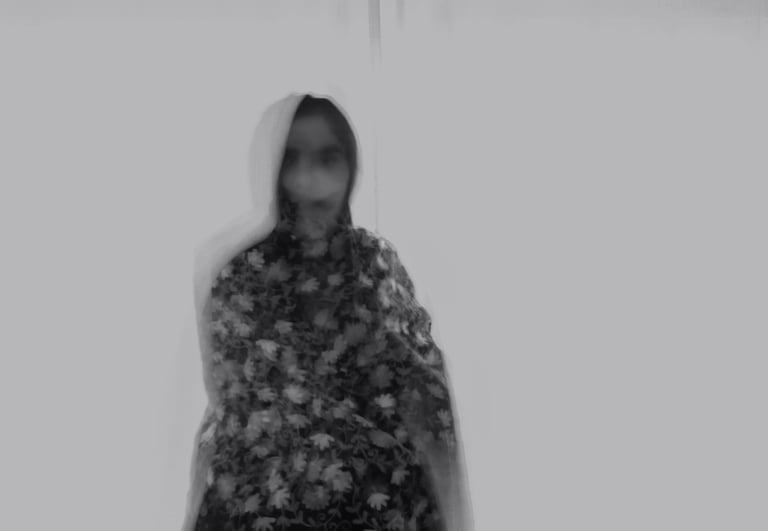
We, women, carry our soft hearts and strong wills everywhere we go. When I was packing my bags to leave my homeland, flying thousands of miles to build a new life in America with a partner I had just begun to know, the women of my family offered some parting wisdom: 'Your life is going to change immensely. But you’re really brave, you can do it, and we are so proud of you!' To this day, those words reverberate whenever something tries to break me down.
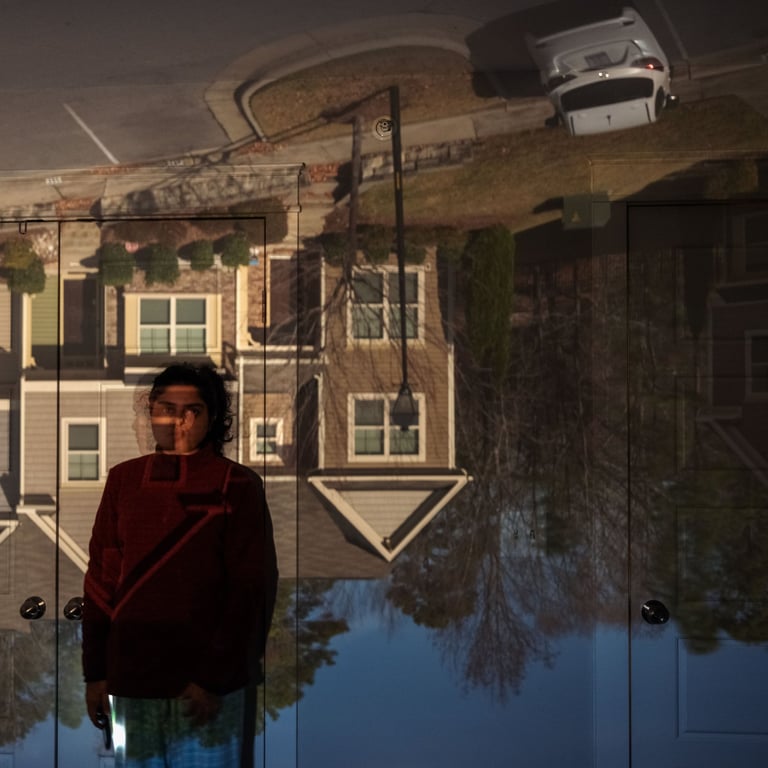
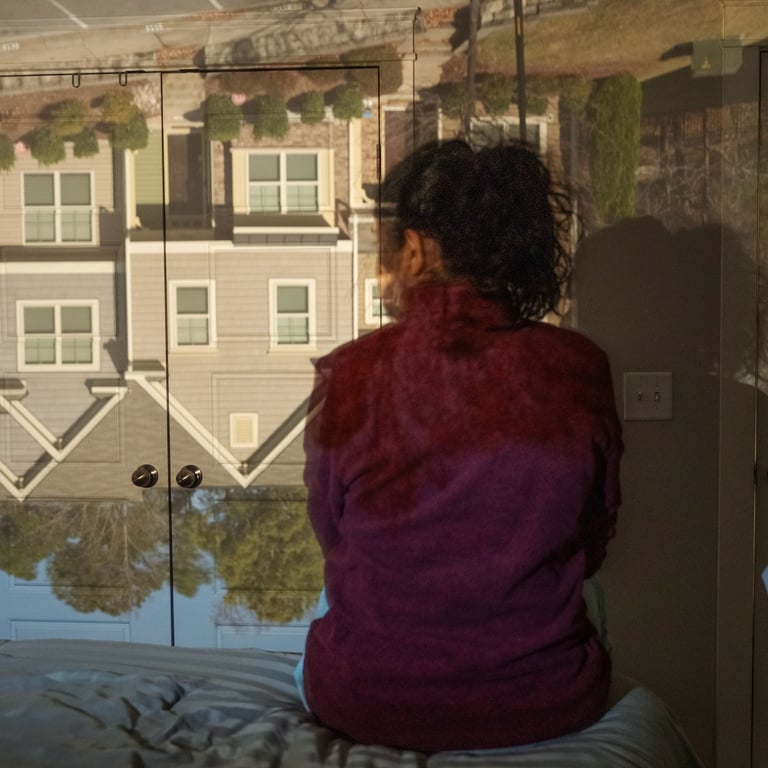
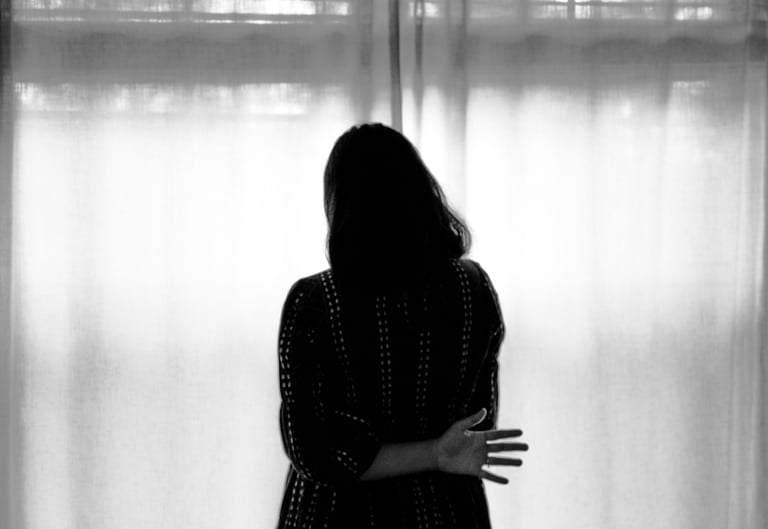
This sentiment is the foundation of the photo series, Will & Wall. I define strength as the will to remain unbroken, even when your world is turning upside down. It is the self-confidence that arises from accepting your pure being, not somebody’s projection of you, even when confined by the walls of expectation.
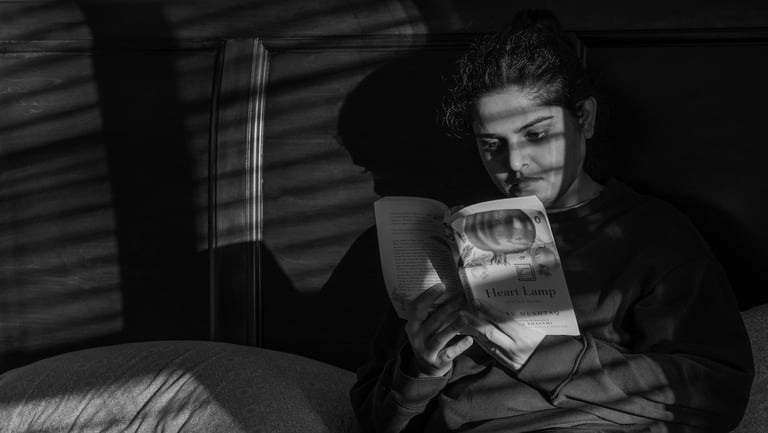
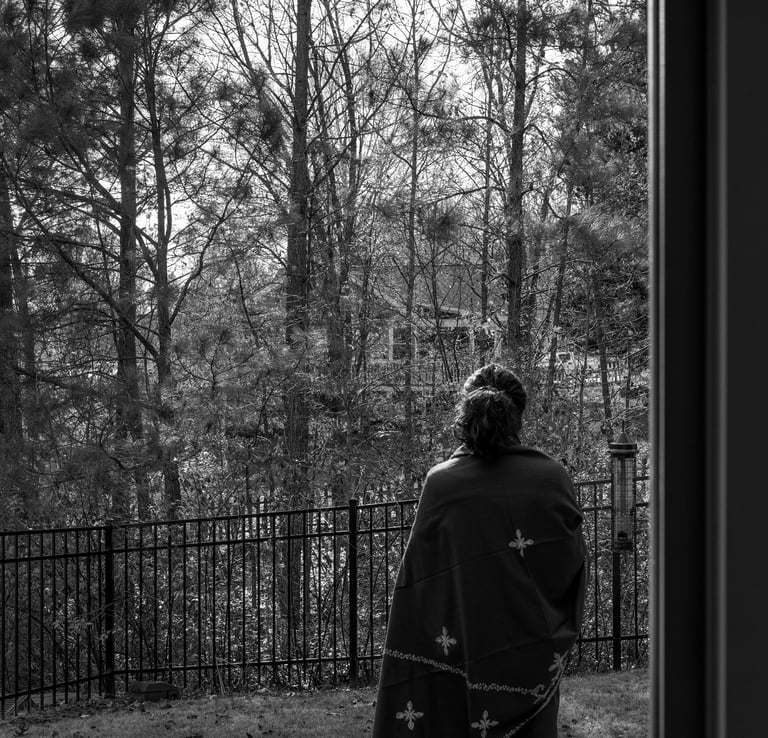
In this series, I navigate the tension between domestic space and individual power; both offer us a sense of self. However, society often mislabels female behavior, putting women into boxes. A resilient woman is labeled 'masculine' or 'man-like' simply because she has the confidence to take a stand and decide what is good for her. Meanwhile, women who are just trying to be themselves are judged for not being enough. Since when did resilience become a masculine trait? In my opinion, it is a quality that is quite aspirational for modern men. They likely wish they could be as resilient as women—adaptable, content, and emotionally intelligent. While I find these labels baseless, and many men might agree, I expect the prevailing sentiment remains biased.
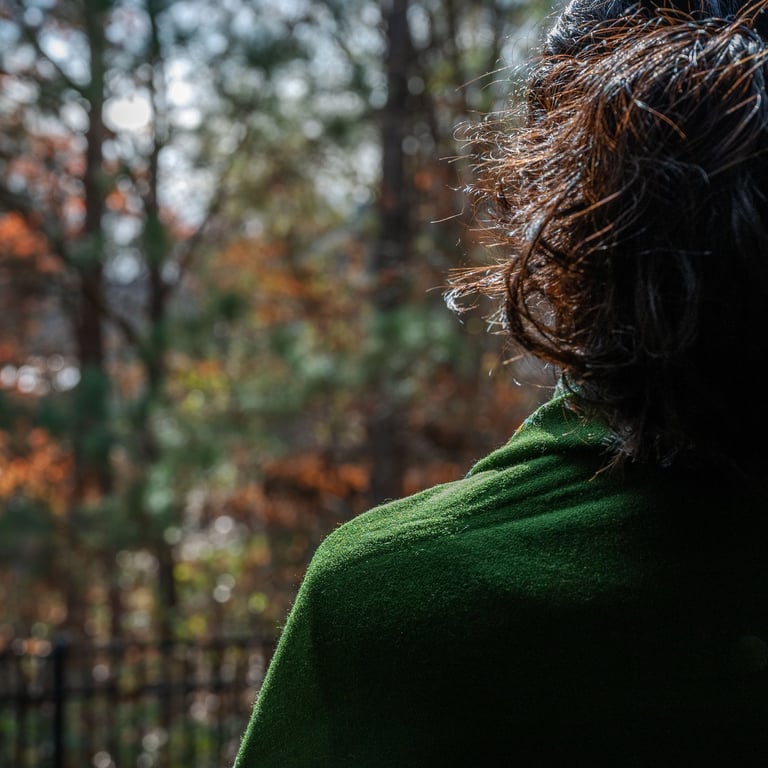
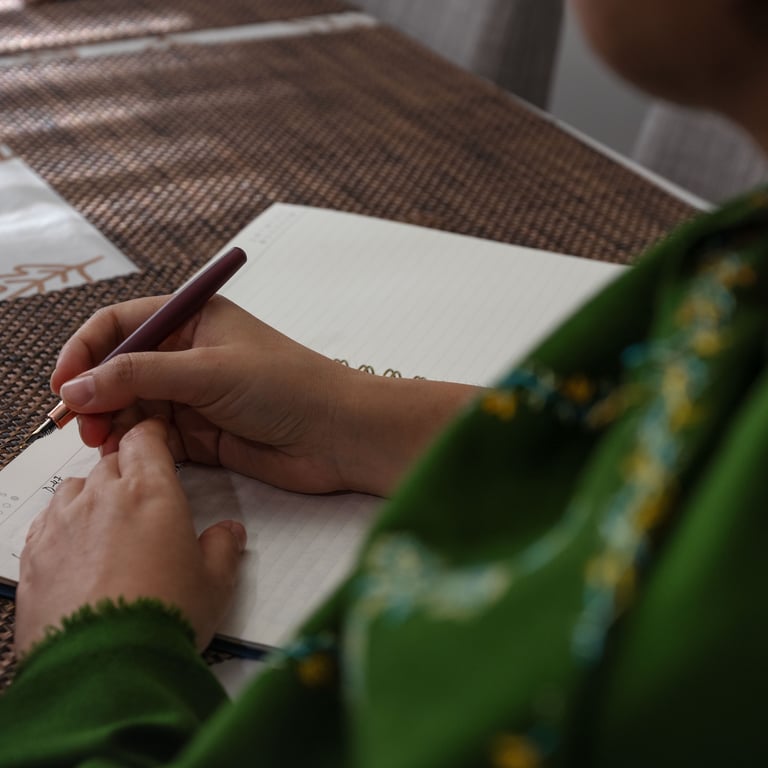
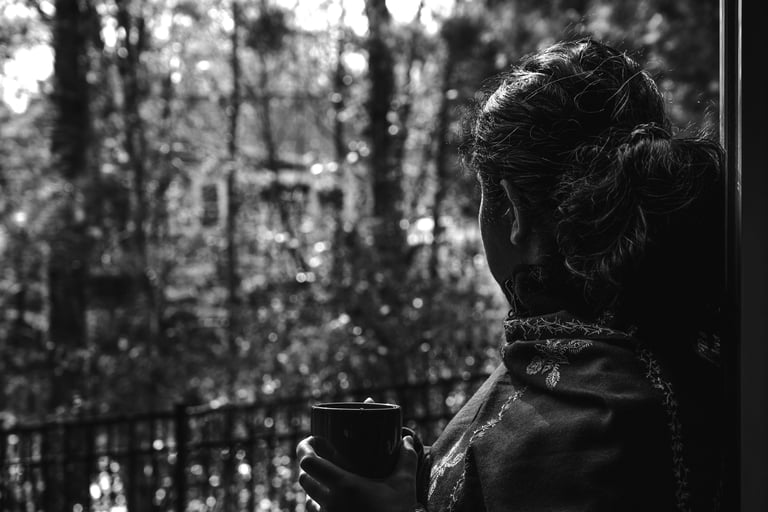
Through my photography, I capture the woman who exists inside the home—cooking, caring, occupying a space—but whose will extends far beyond those physical walls. Wearing my mother’s green embroidered shawl to mirror her image in a few photographs, this work serves as a tribute to her life as a homemaker. I see myself as an extension of her being—enacting the agency she possessed internally but could not express fully. I am trying to live the actions she was denied out of circumstances. That’s strength to me. She is strength to me.
I use specific angles and depth of field to isolate gestures of reclamation: the holding of a pen, a tea cup, the voicing of an opinion, and the quiet courage of simply existing. In a couple of images, I utilize the camera obscura technique to optically flip the image—a visual metaphor for a life turned upside down, yet still standing strong.
Will & Wall is an act of unshackling. It's a marker of strength that refuses to be narrowly defined. I hope that these images offer a threshold for viewers to step inside my world, finding a mirror for their own strength and celebrating their unique being.
The Second Sight
Artist Statement
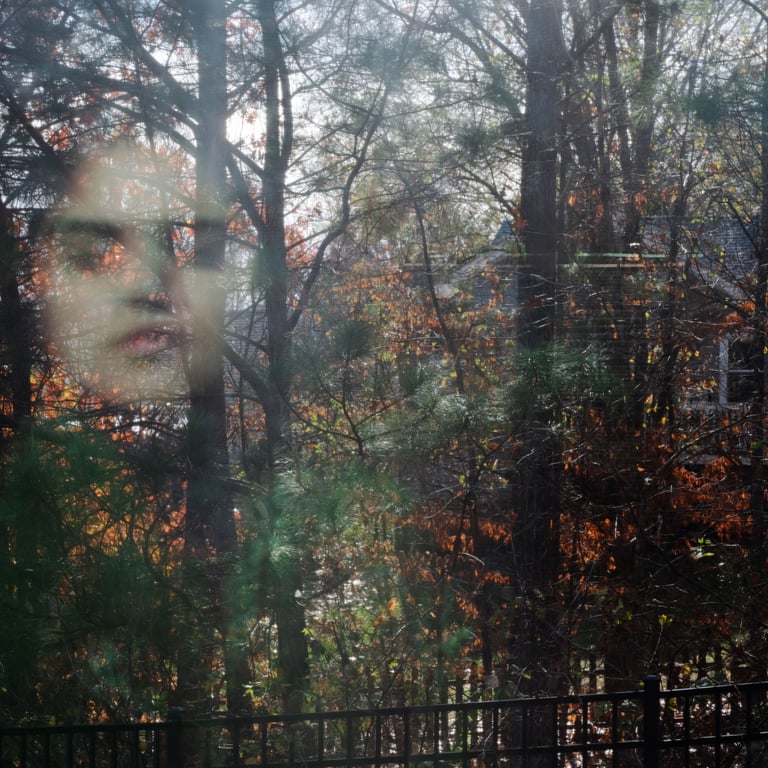
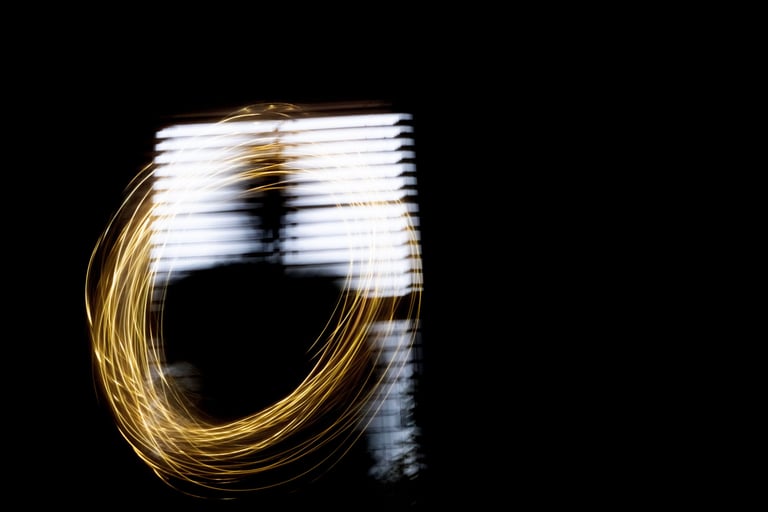
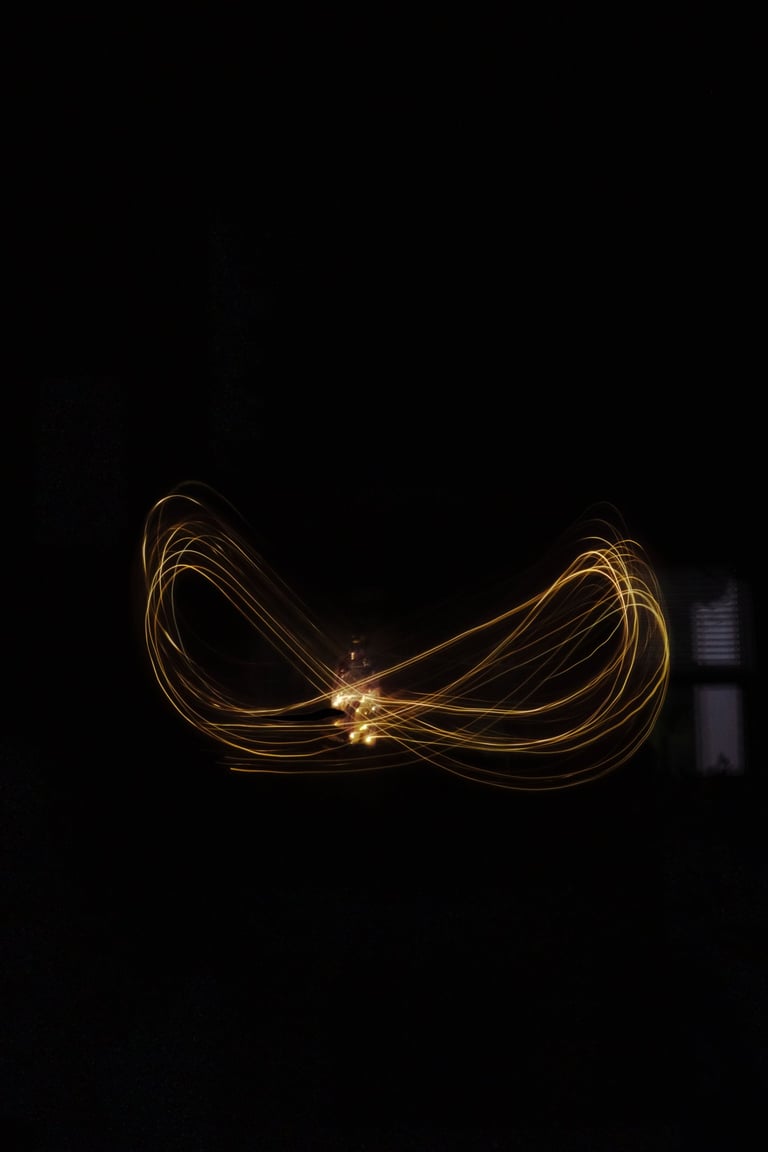
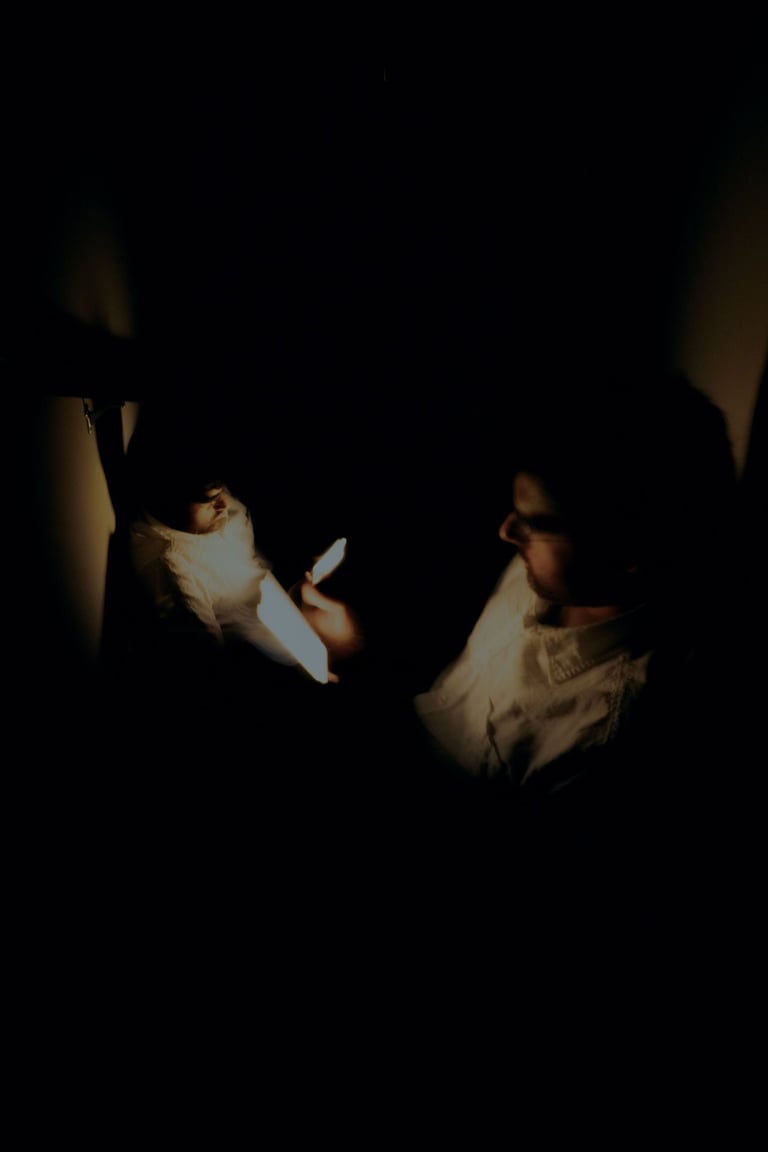
The Second Sight is a photographic series exploring the duality of inner consciousness and outer reality. I challenged myself to capture a visual connection between what we perceive with our eyes and what merely lingers in the mind. The resulting photographs feel both immediate and spectral, capturing moments that suggest our singular, day-to-day experience is layered.
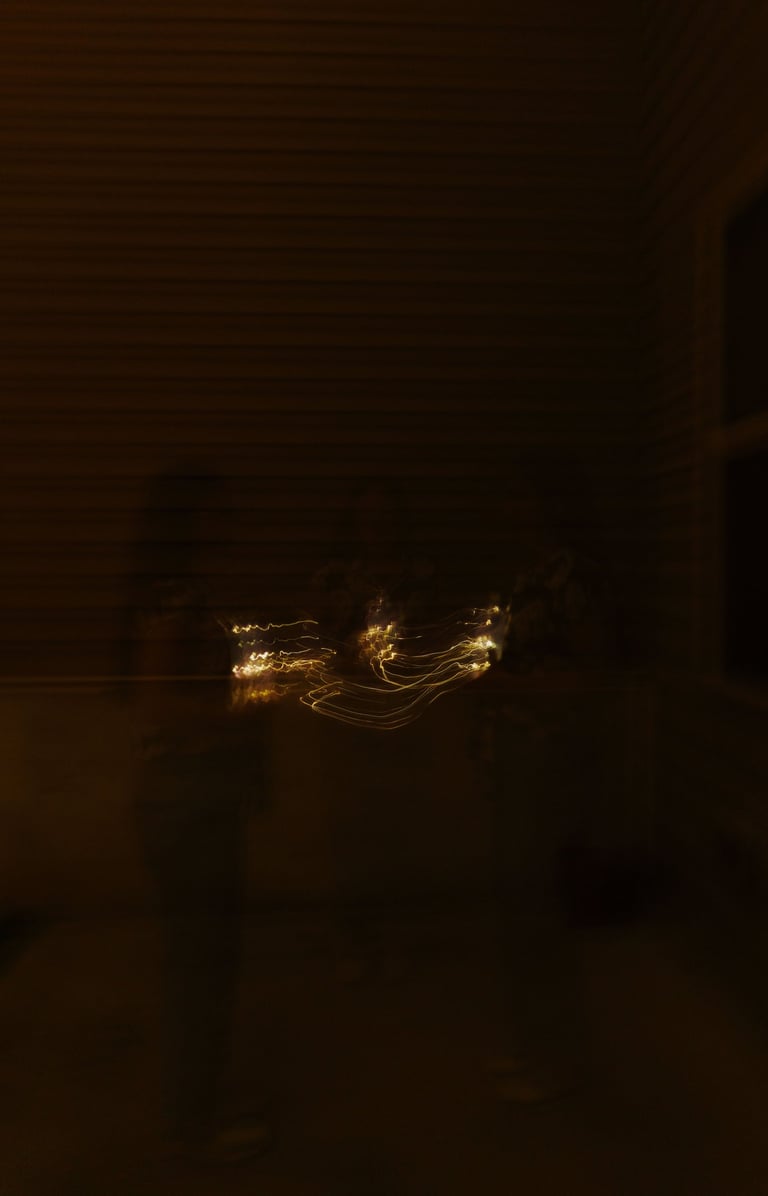
My pictures propose that the spirit world isn't a distant realm, but rather a psychological layer that persists within the complex moments of our lives, particularly when our inner and outer experiences become disjointed or overwhelming.
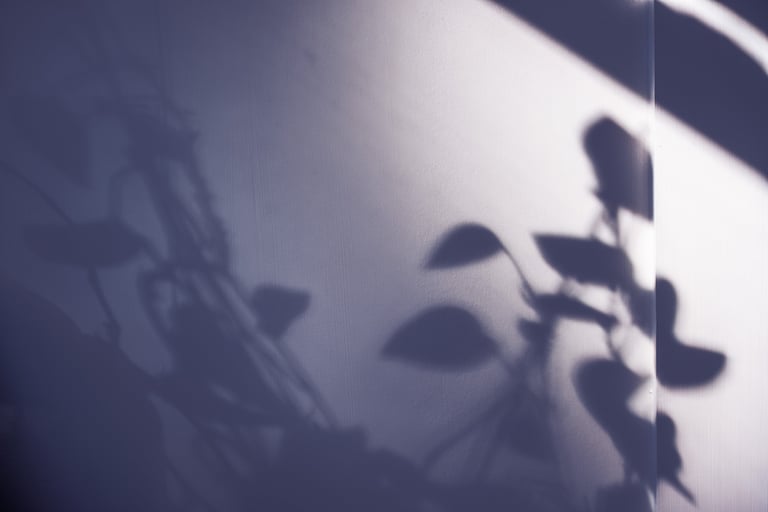
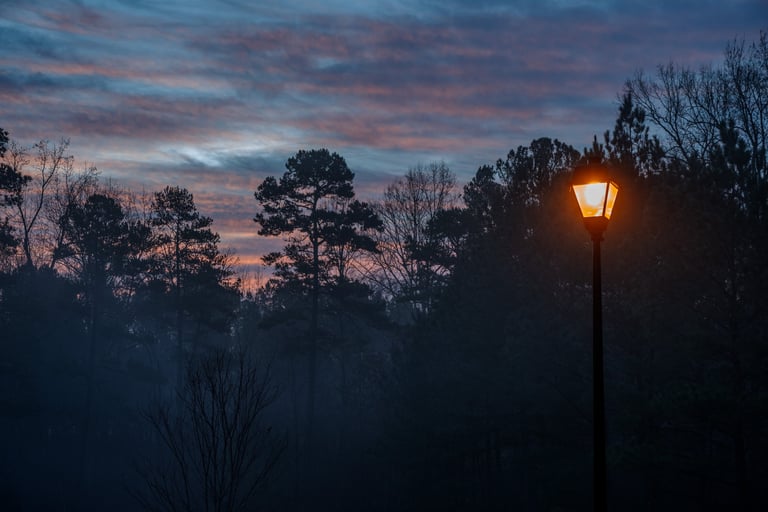
I've used double and long exposures to intentionally capture this unseen layer. This technique transforms a single frame into a liminal space where the inner psyche and the external environment collide. This collision creates a tangible feeling of memory, haunting, and the presence of a veiled world. The resulting layered visuals, such as those in Seance and I can’t get no sleep, move beyond a simple fascination with the supernatural. They suggest that the unsettling recognition we find in a ghost story often mirrors an unresolved element of our own minds.
Winter Blues
Artist Statement
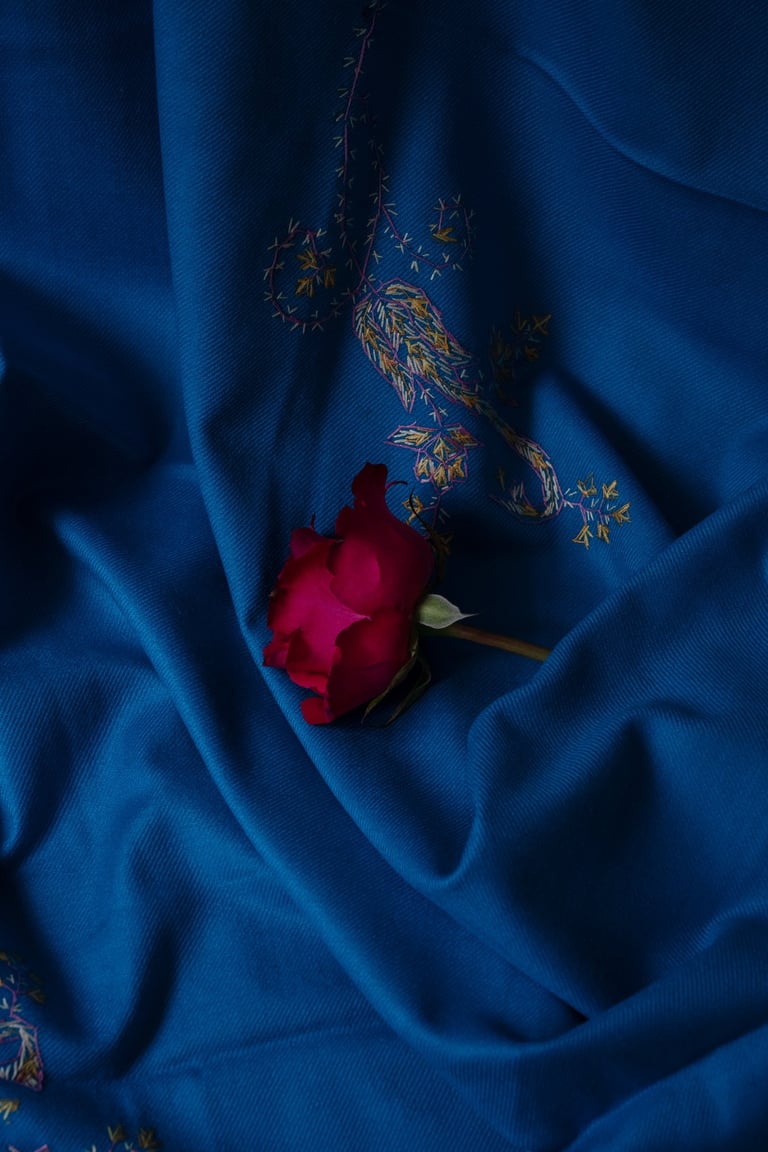
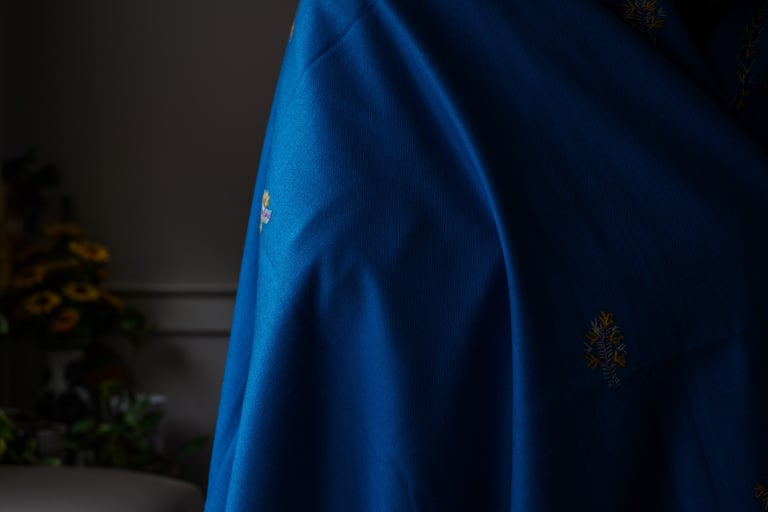
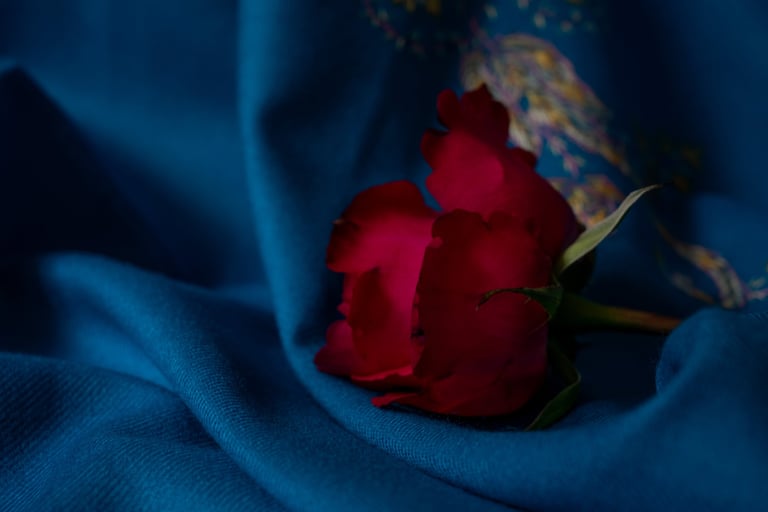
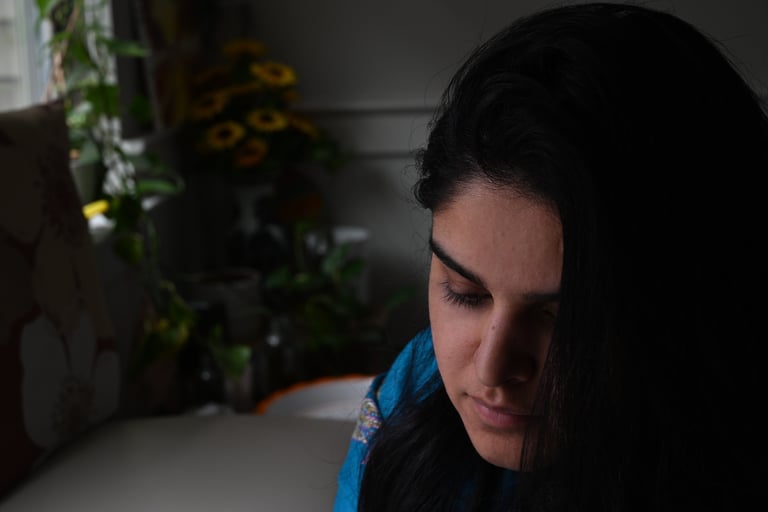
Winter Blues is a series about distance, longing, and the objects that hold us together when we're apart. It centers on a blue shawl my parents gave me when I left India for America. Most days, I keep it folded safely away. But on a winter afternoon, feeling the weight of homesickness, I wrapped myself in it again. The familiar softness brought back my mother's warmth, the security of childhood, the feeling of being held without needing to ask.
I photographed myself in that moment, and also a red rose resting against the blue. The rose, just beginning to wilt, became a quiet marker of time passing, the seasons that change without us, the distance that grows even as love stays constant.
This series is about what we bring with us when we leave home. Not just the physical things, but the warmth they still carry. An heirloom is a tactile proof onto which we can latch and remember that we were loved, and that love travels with us no matter where our physical bodies go.
Portraits of Bombay
Bombay Local
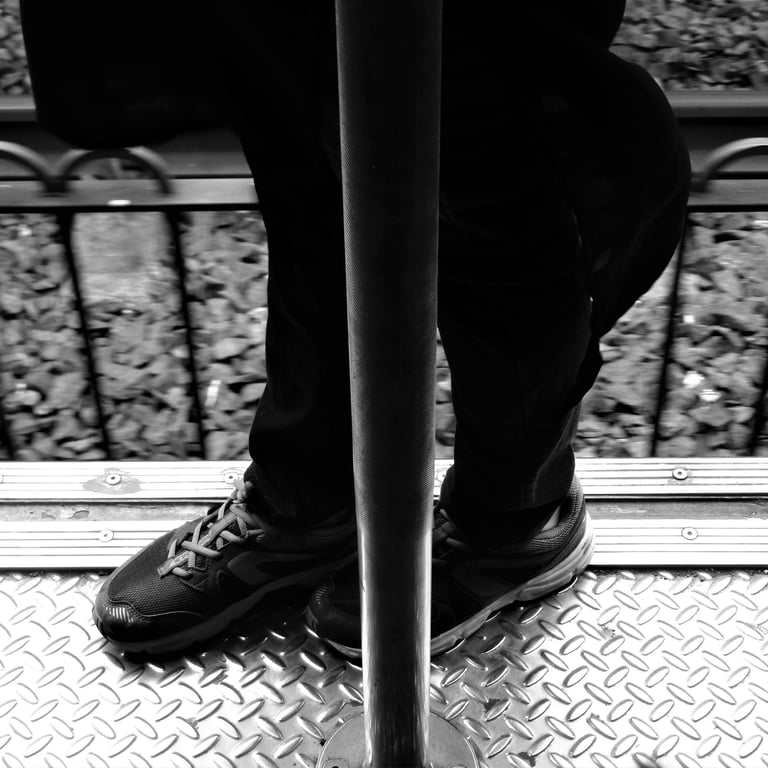
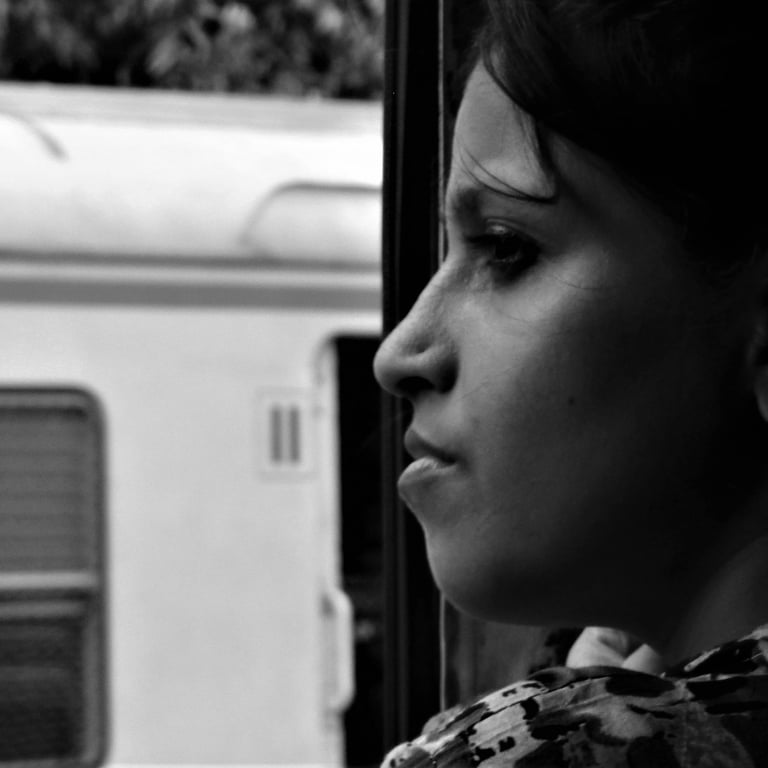
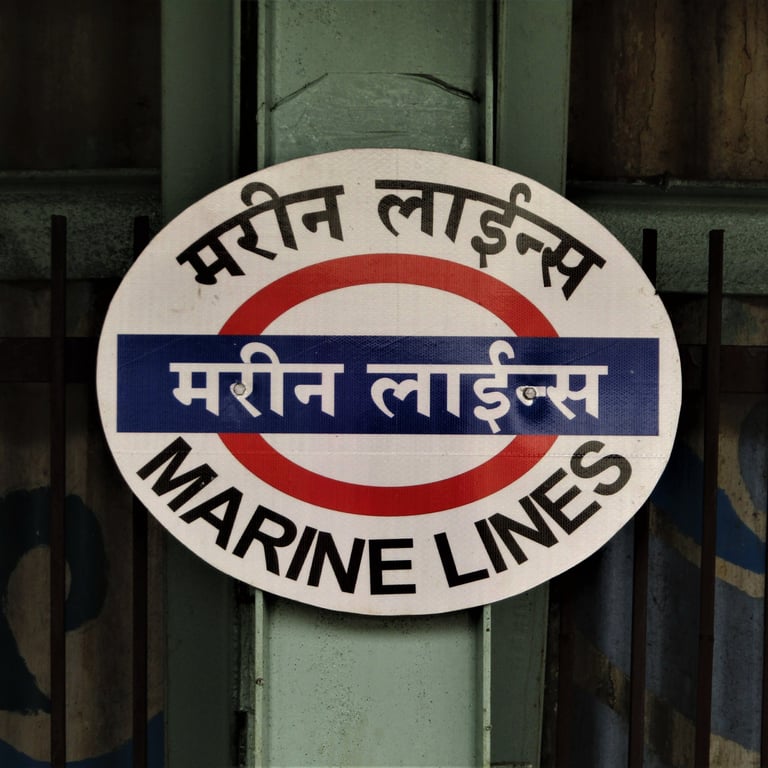
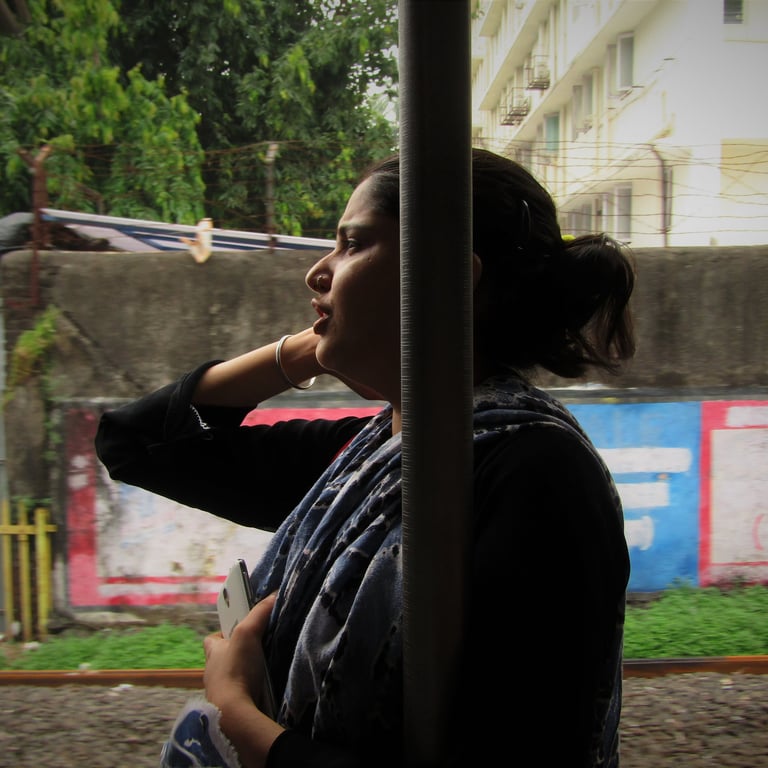
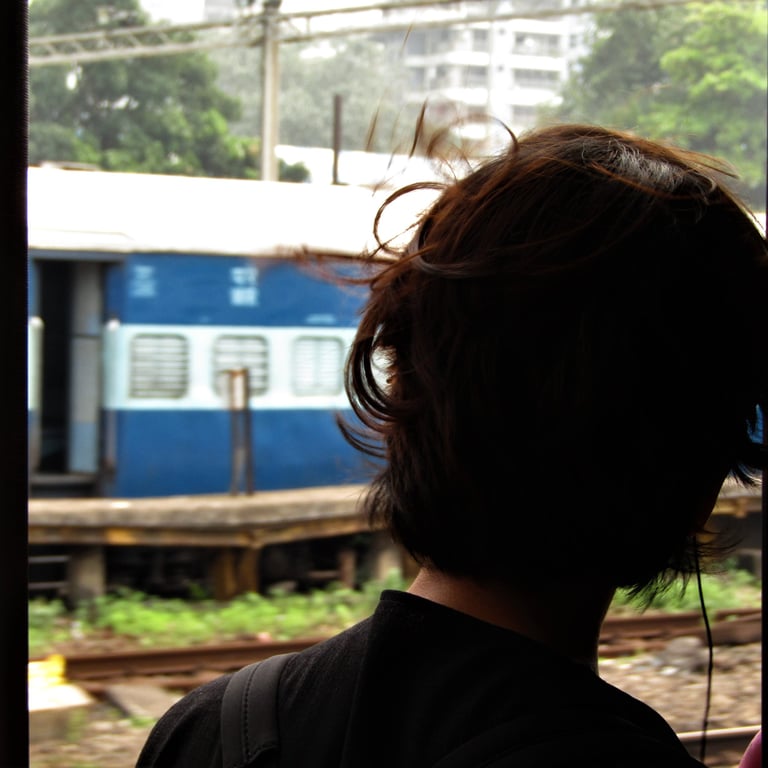
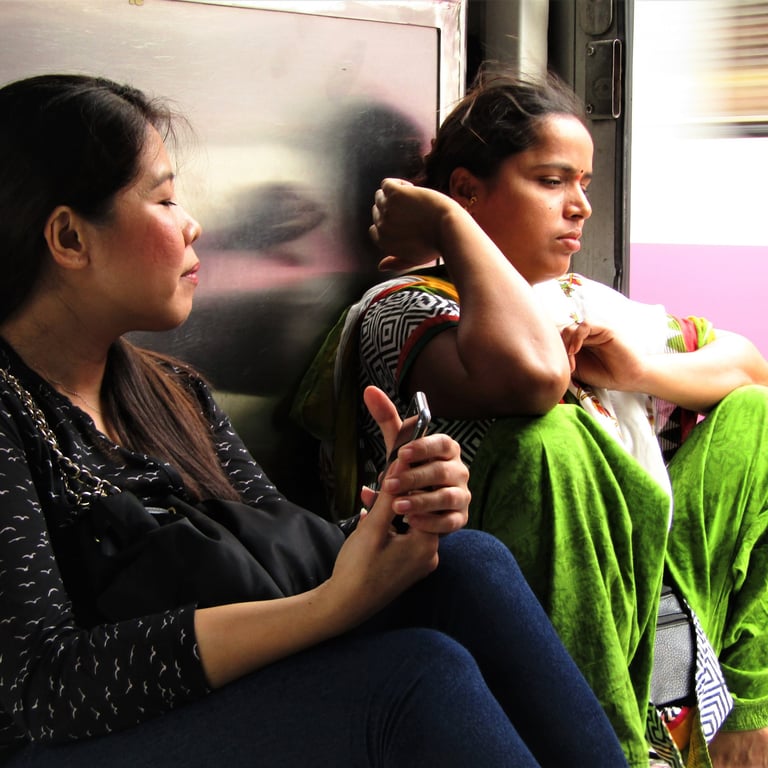
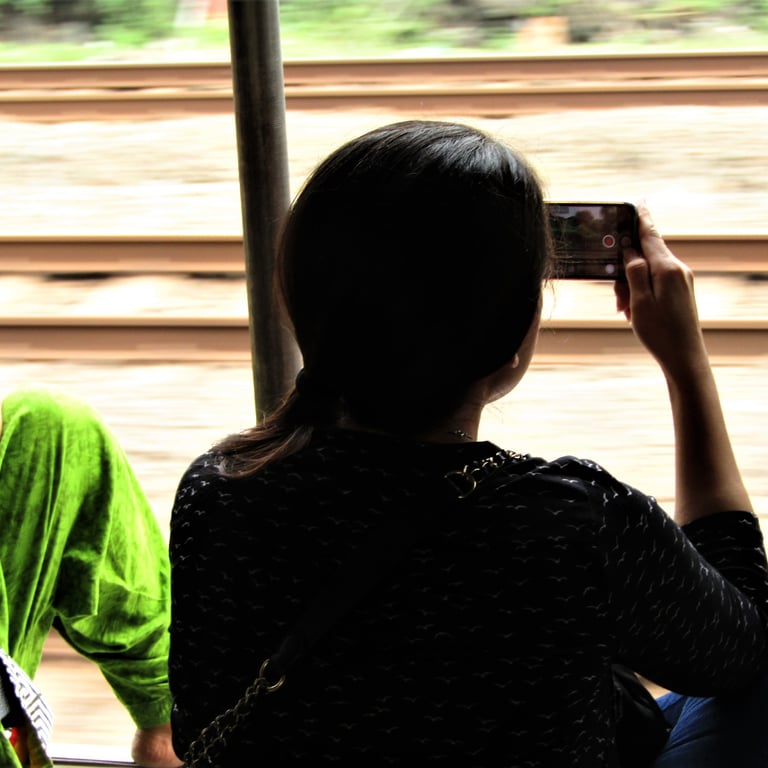
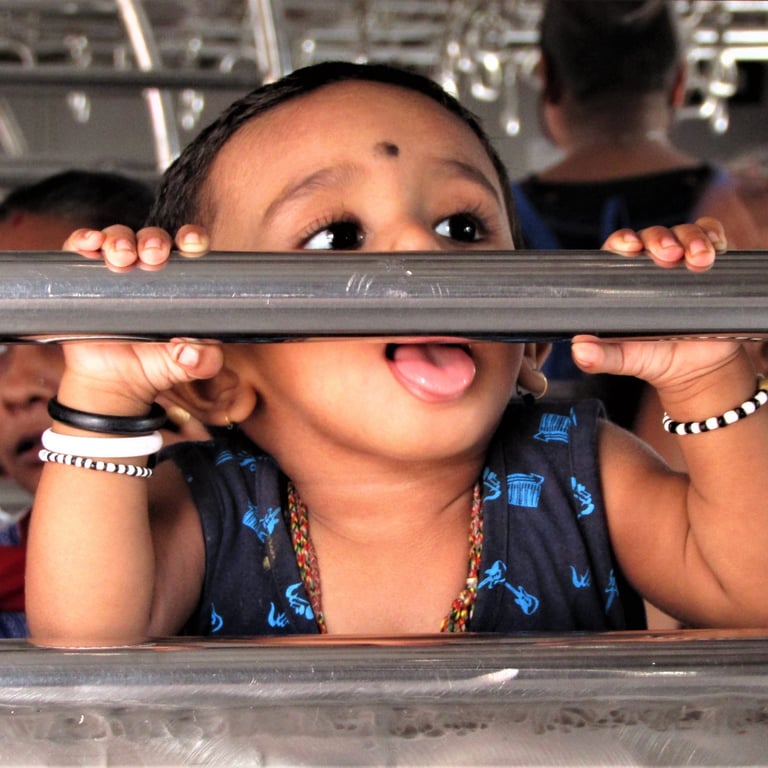
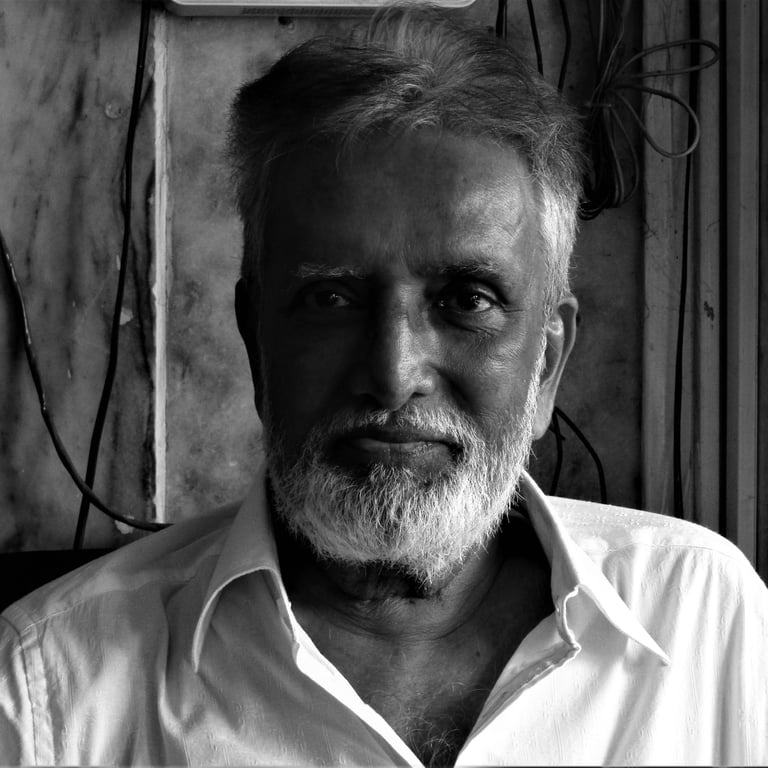
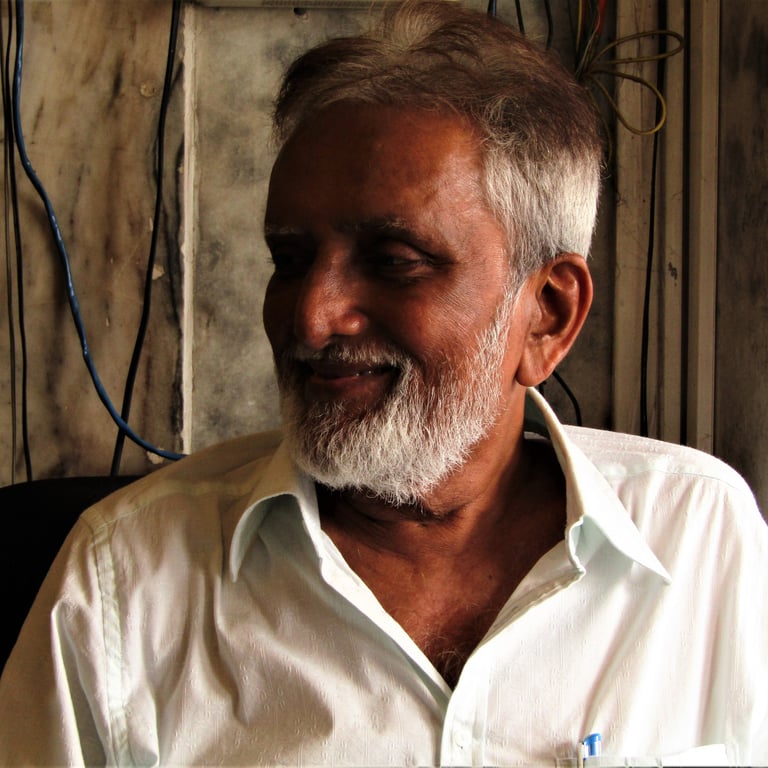
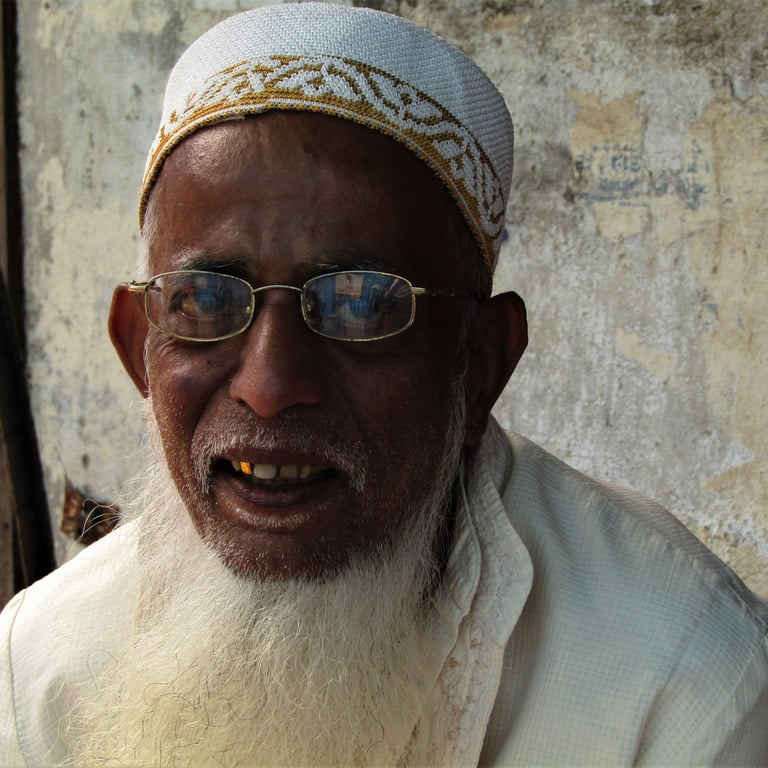
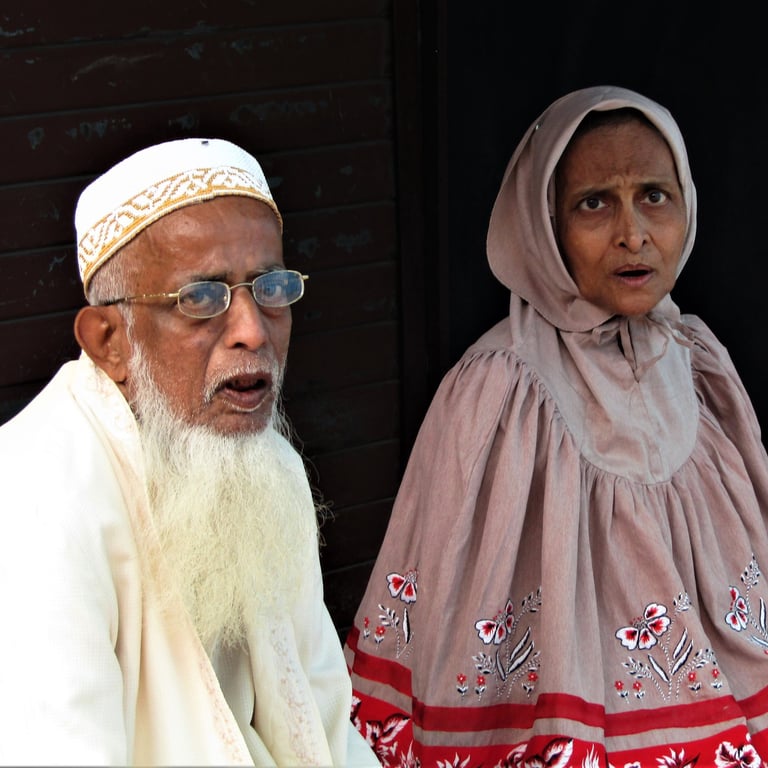
Portraits of Bombay finds stillness in a city that refuses to stop. Bombay, now known as Mumbai, is often called the city that never sleeps—home to India's financial heart and the dreams of its film industry. It moves at a pace that leaves little room for small talk. On local trains, strangers sit shoulder to shoulder without exchanging a word. Interactions happen out of necessity: buying, selling, getting from one place to another.
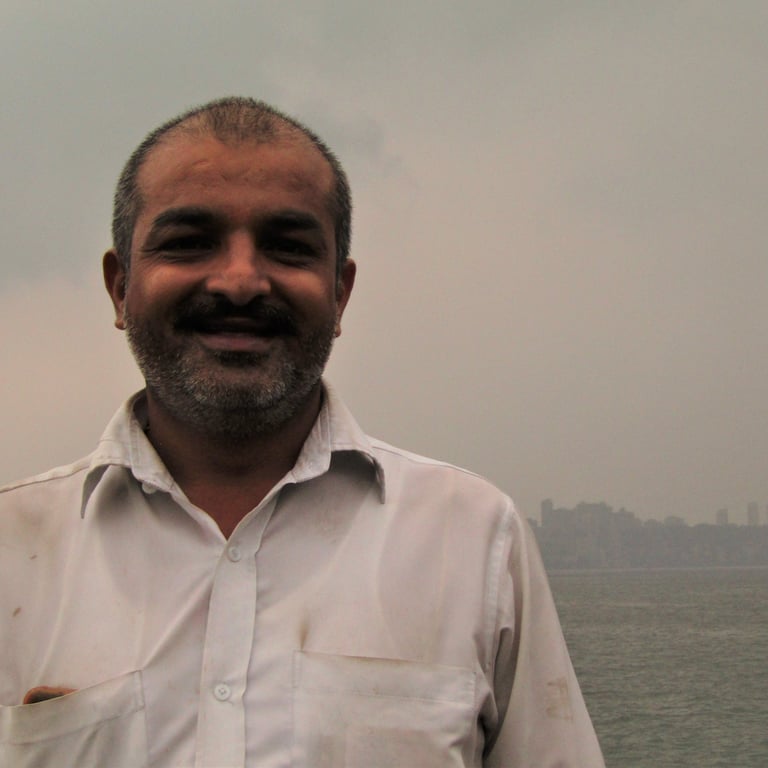
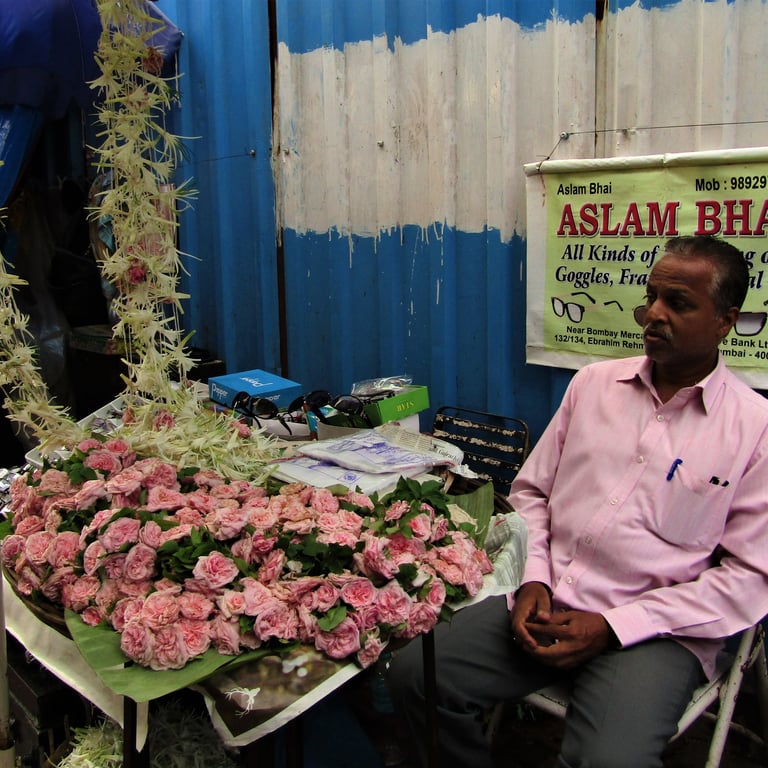
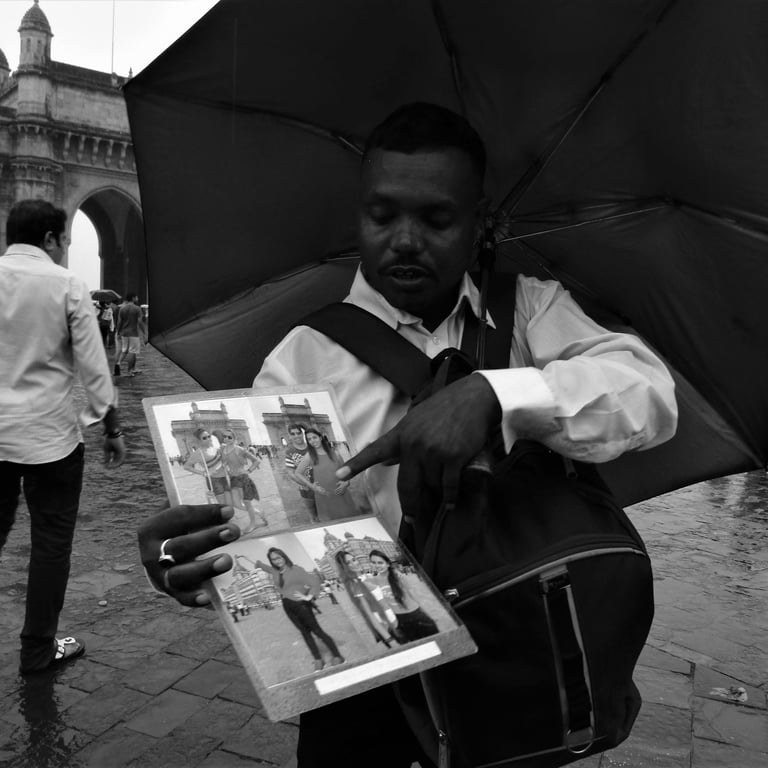
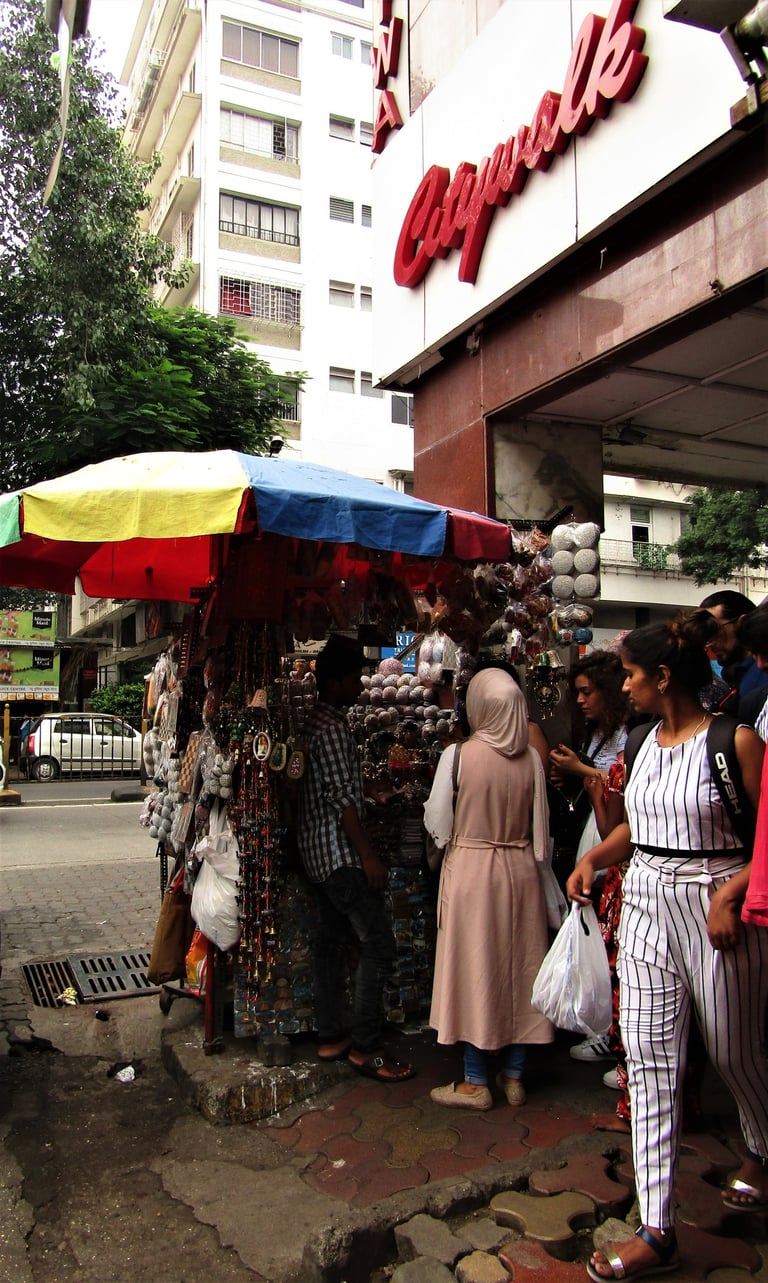
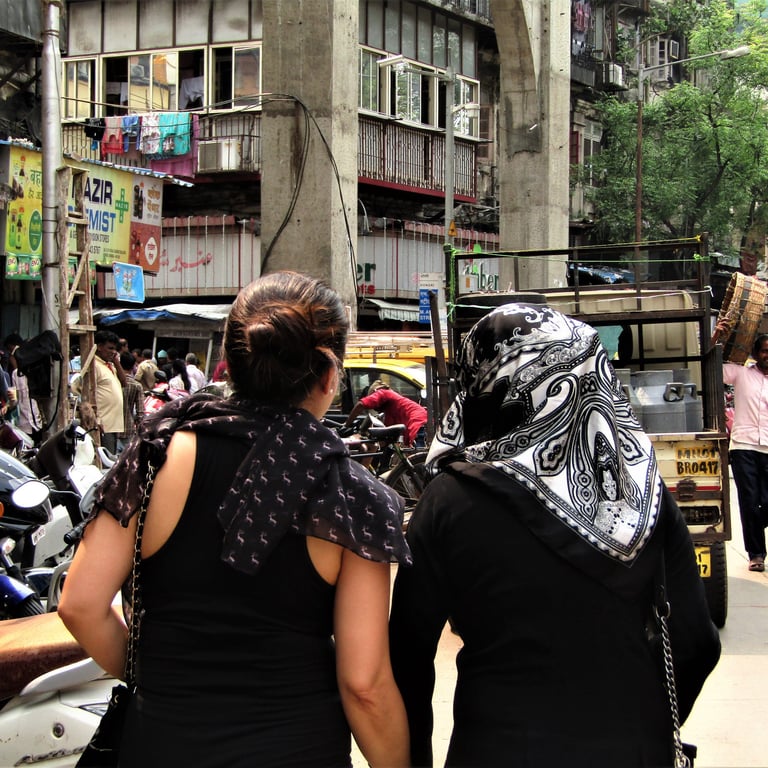
During a fifteen-day work trip in 2017, I made time over the weekends to wander with locals through trains, flea markets, beaches, and side streets. I wasn't looking for the city's famous chaos. I was drawn to what exists beneath it: vendors pausing between sales to share family stories like old friends, tourists filming on the local train—the lifeline of the city—a photographer at the Gateway of India showing his portfolio to passersby. Our driver's sincere smile as he told us how content he is despite daily struggles. He showed us the city's poshest neighborhoods, where Bollywood stars and businessmen live behind guarded gates.
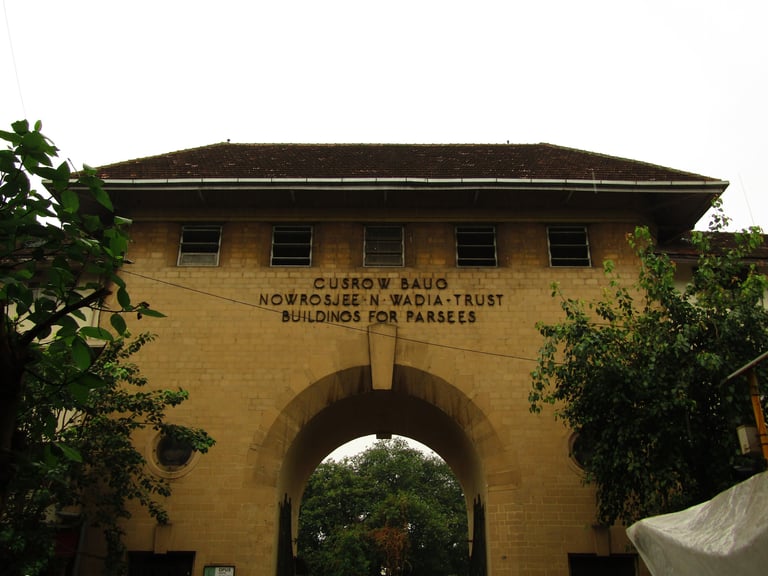
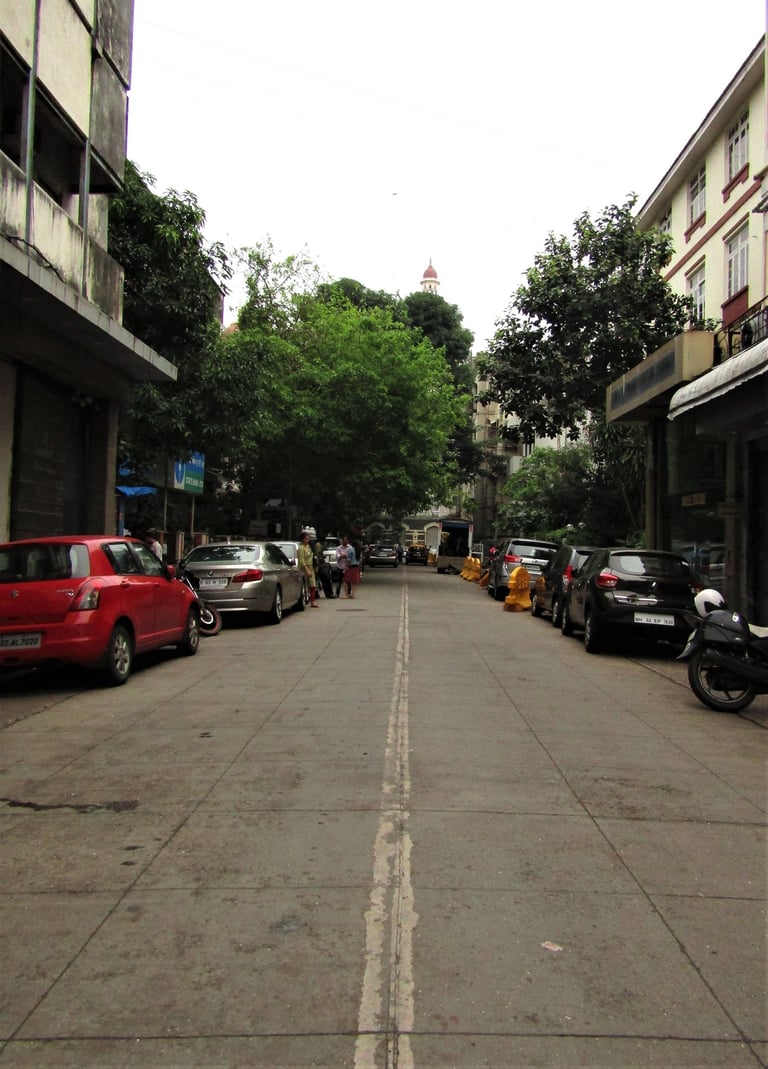
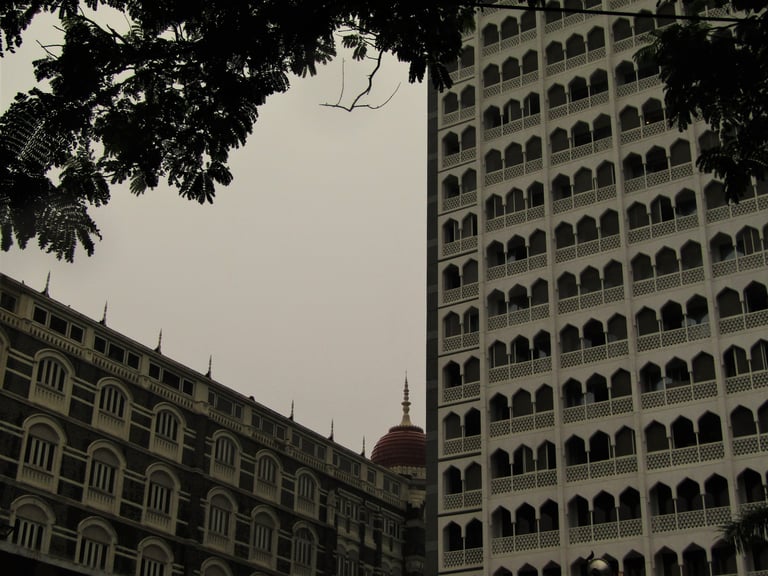
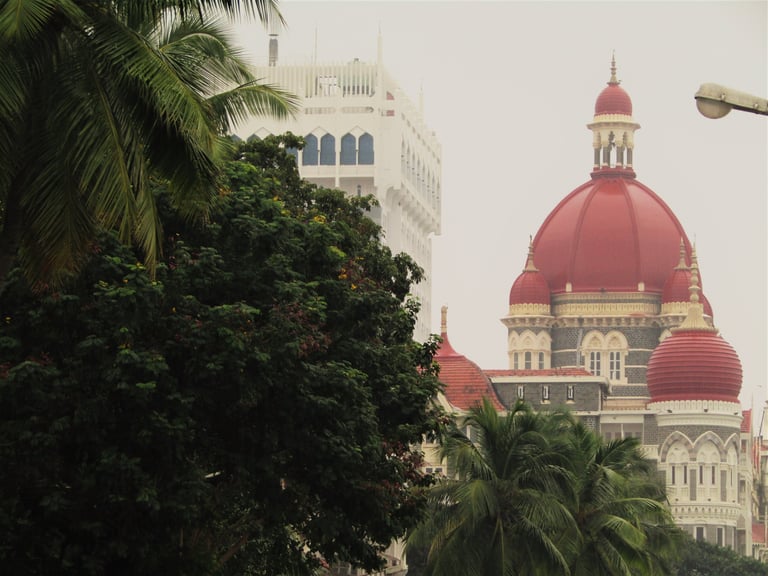
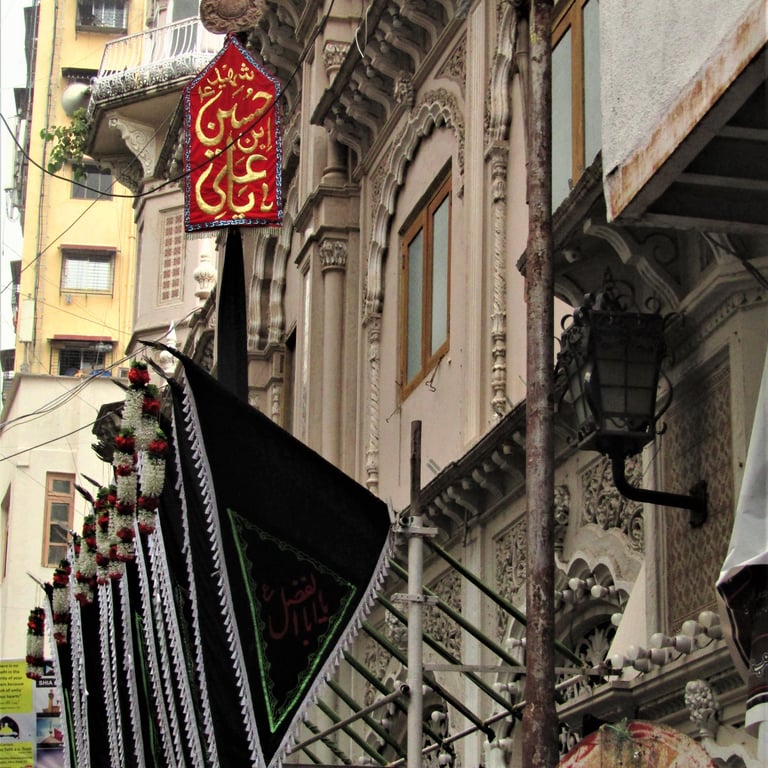
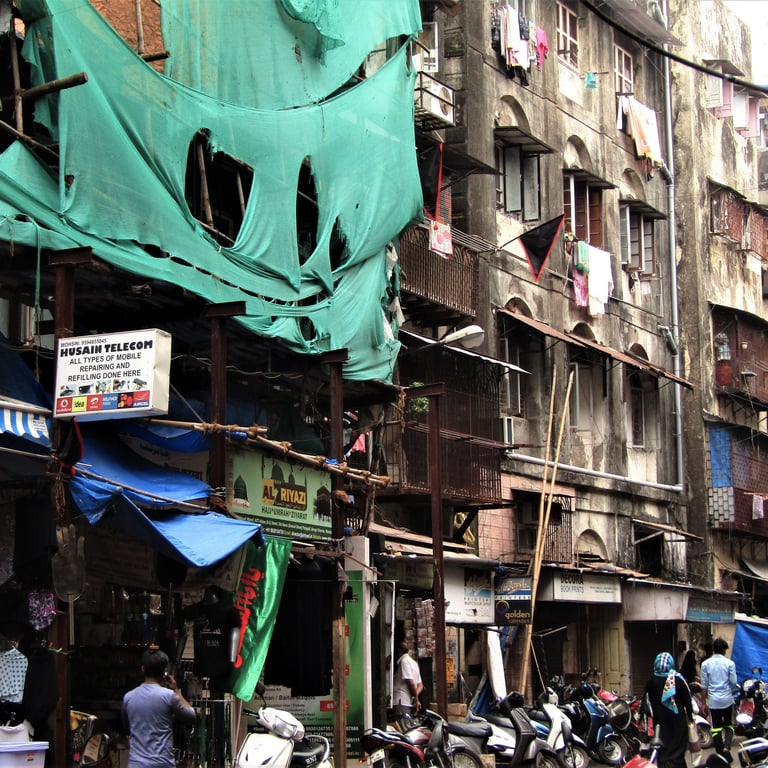
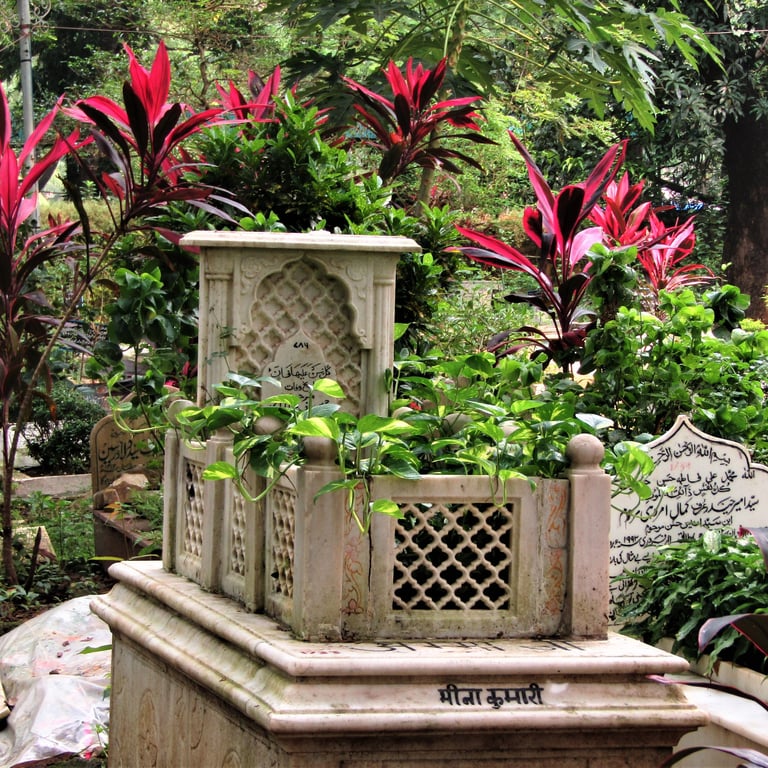
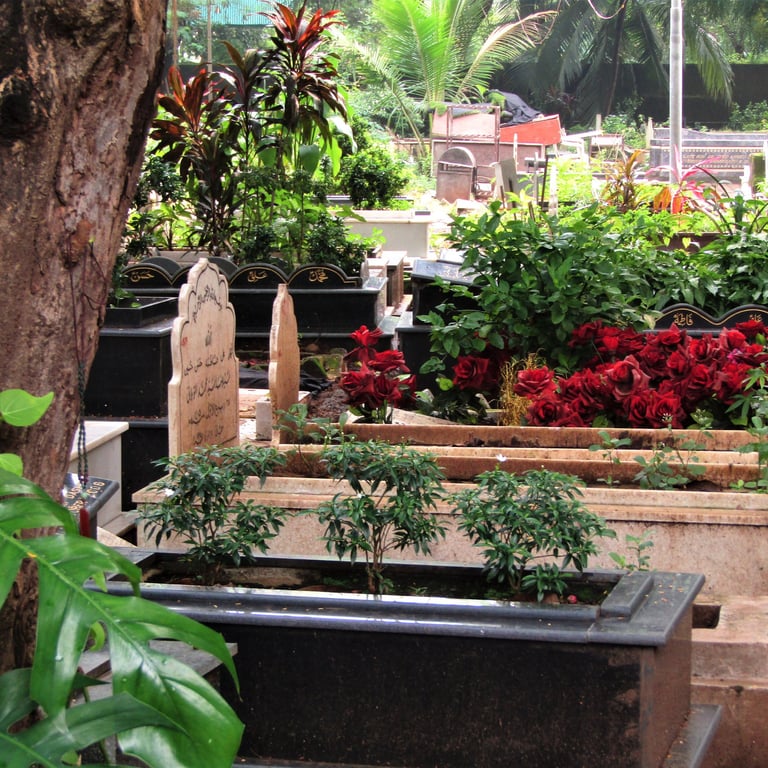
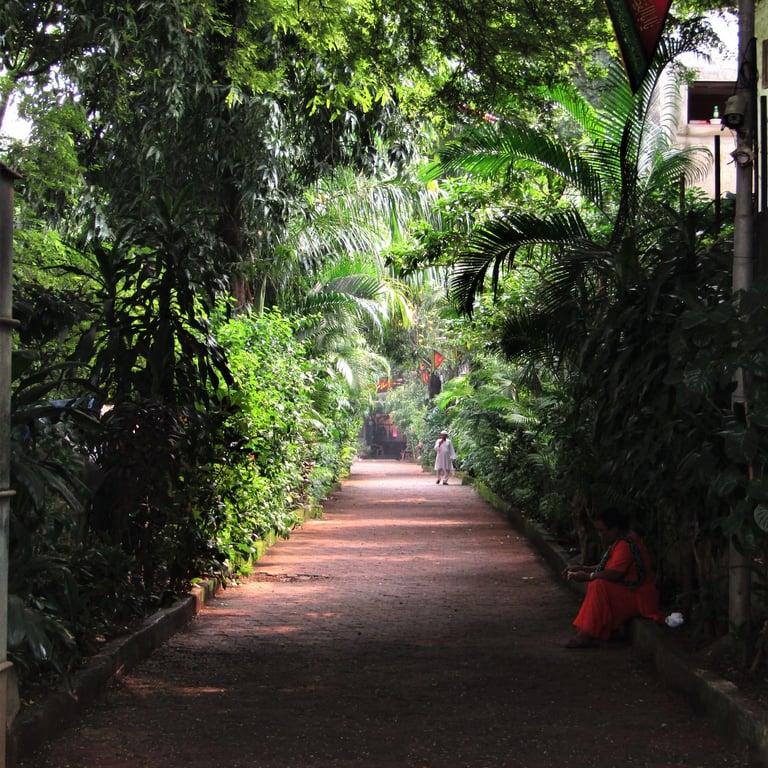
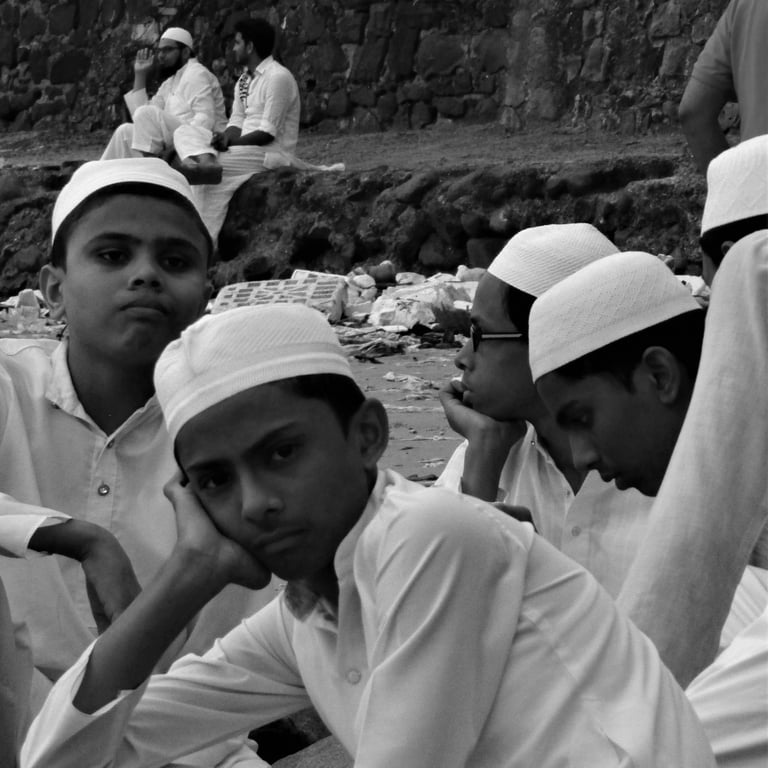
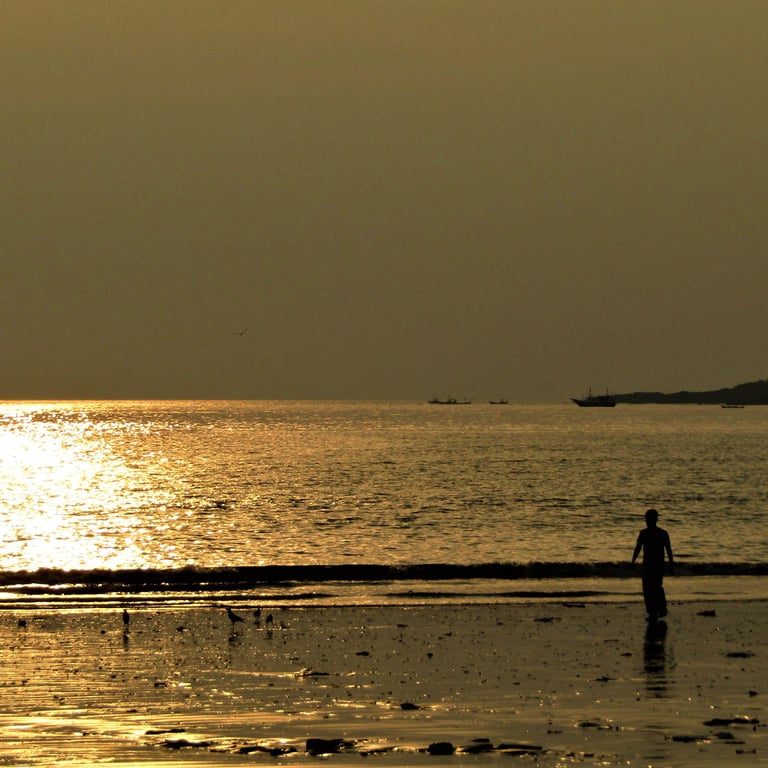
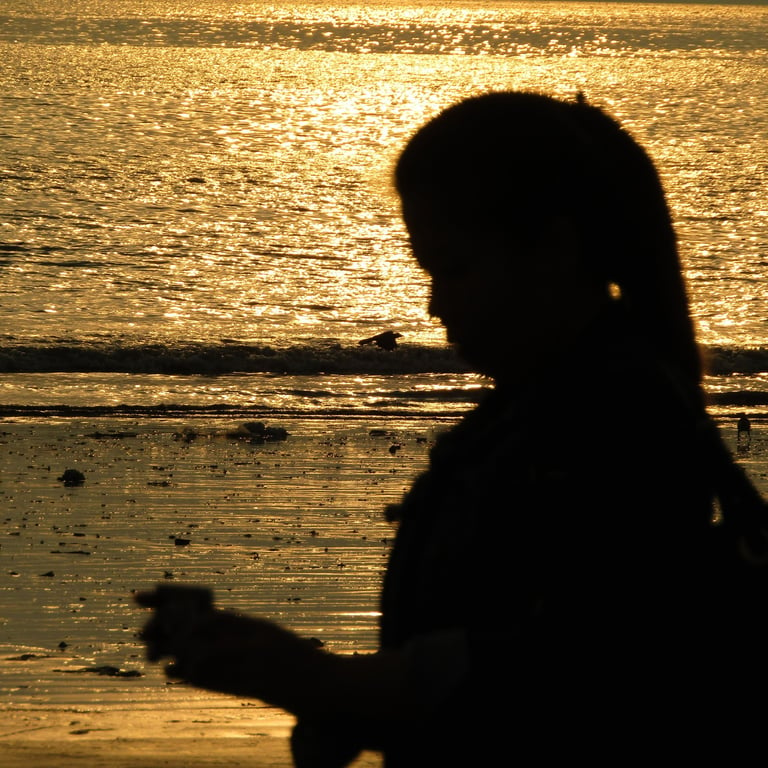
I walked through the polished streets of South Bombay—the Gateway of India, the Taj Hotel, the quiet Parsi colonies—and then, just a few streets away, found tattered tarps clinging to buildings alongside shrines glowing with offerings, overgrown graveyards where birds wander unbothered. These are micromoments of pause—private quiet in overwhelmingly public space. The contrasts that make Bombay whole. This series is my attempt to hold onto that—the stillness I didn't expect to find, in a city that taught me to look more slowly.
The east and west of the city
South Bombay - The SoBo
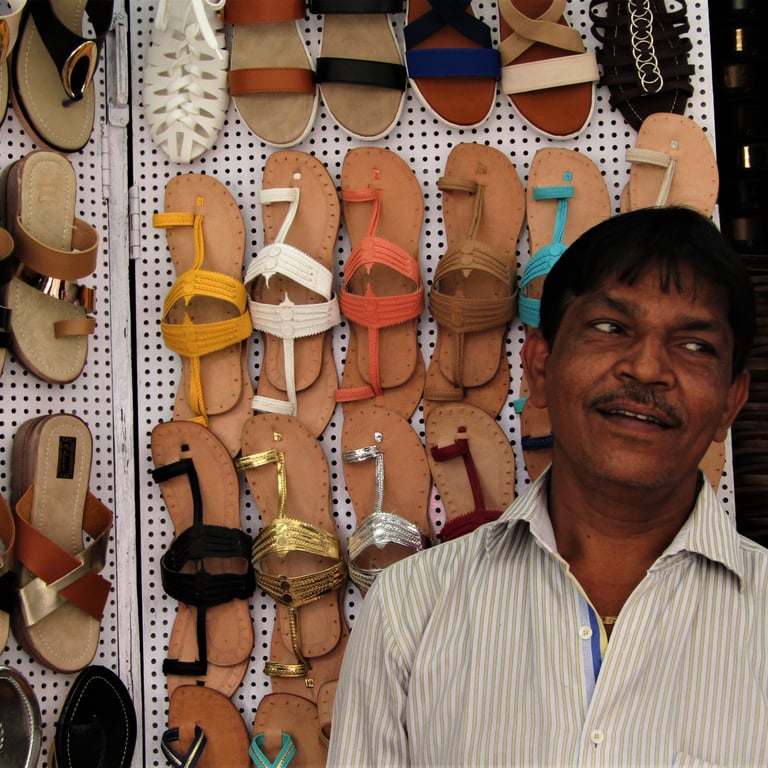
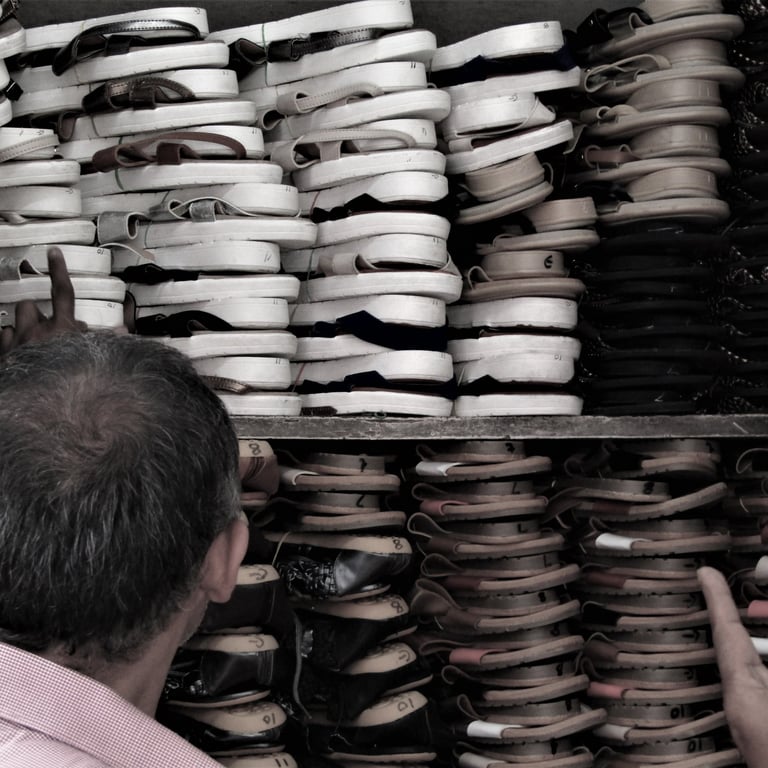
These are the working class of Bombay—vendors, shopkeepers, small business owners—moving through their days with a lightness that defies the city's weight. In Colaba Market, a man holds up Kolhapuri chappals, calling out to passersby, while another tries to make money by charging a premium to tourists. Their dreams aren't of fame or fortune but of something simpler: a good day's sale, maybe a meal with family, a life that holds steady. In a city chasing bigger and bigger things, they remind me that contentment is its own kind of ambition.
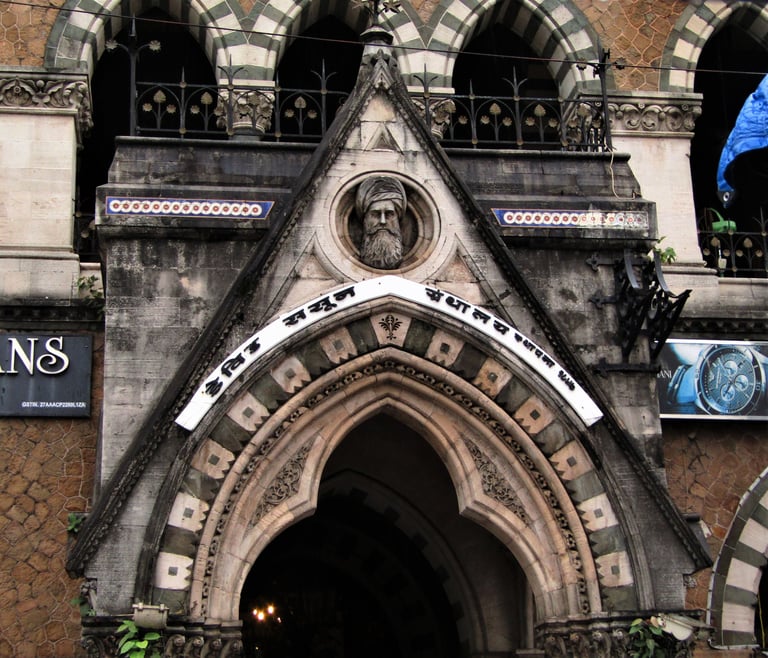
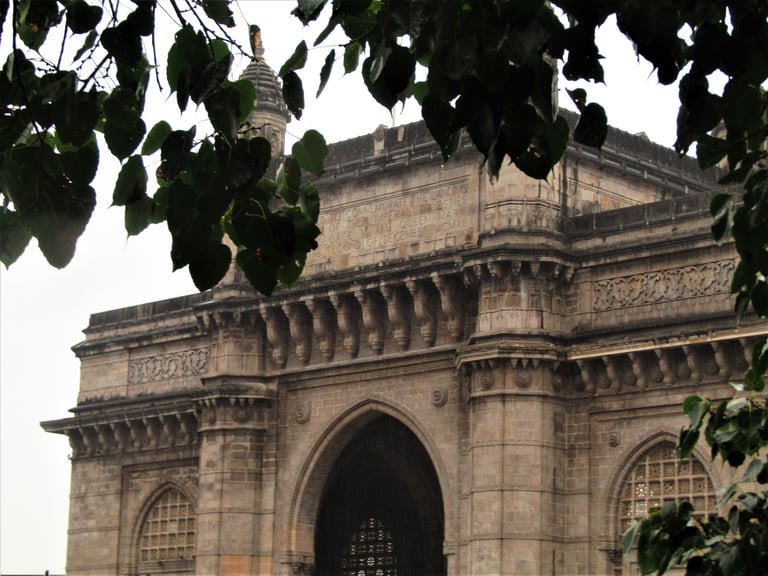
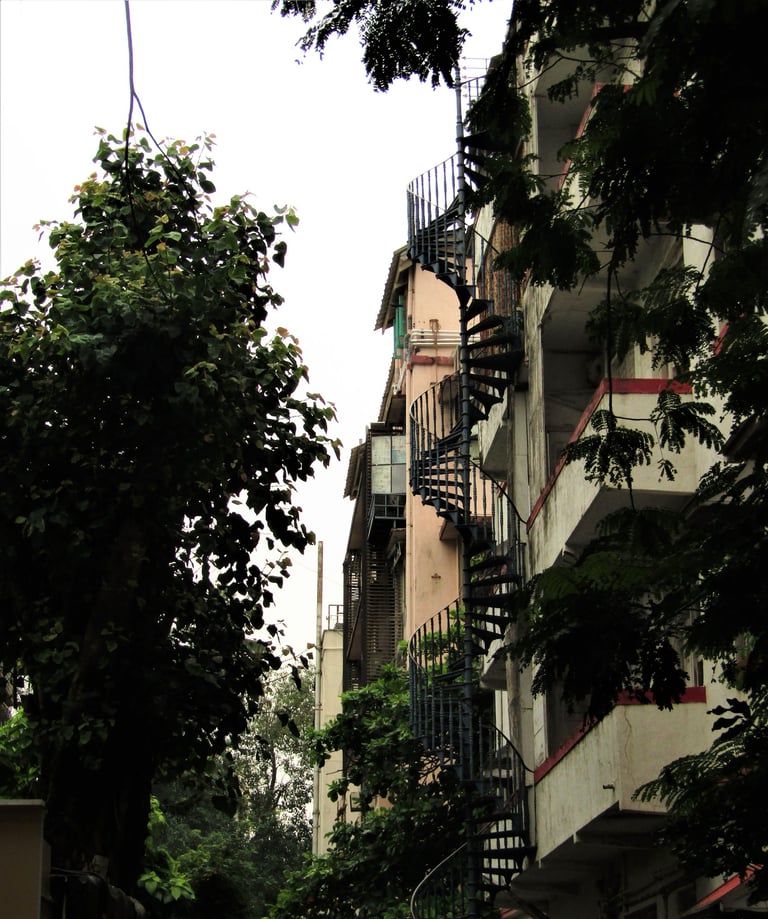
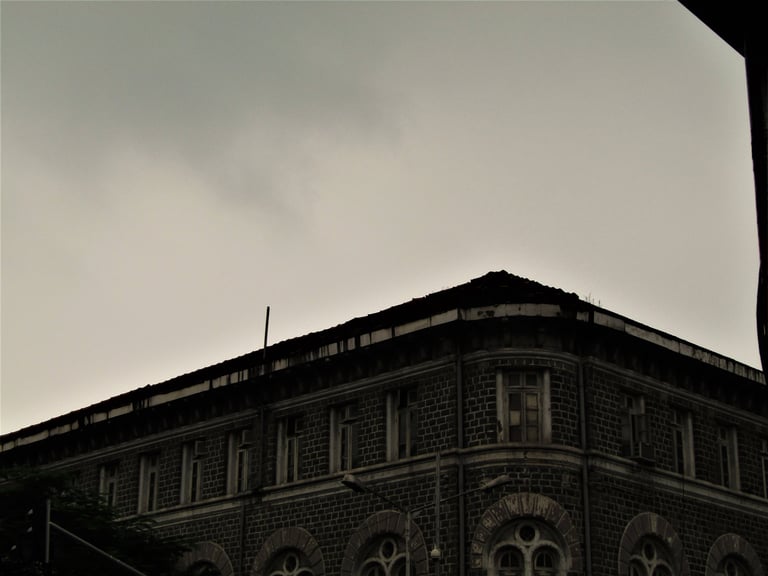
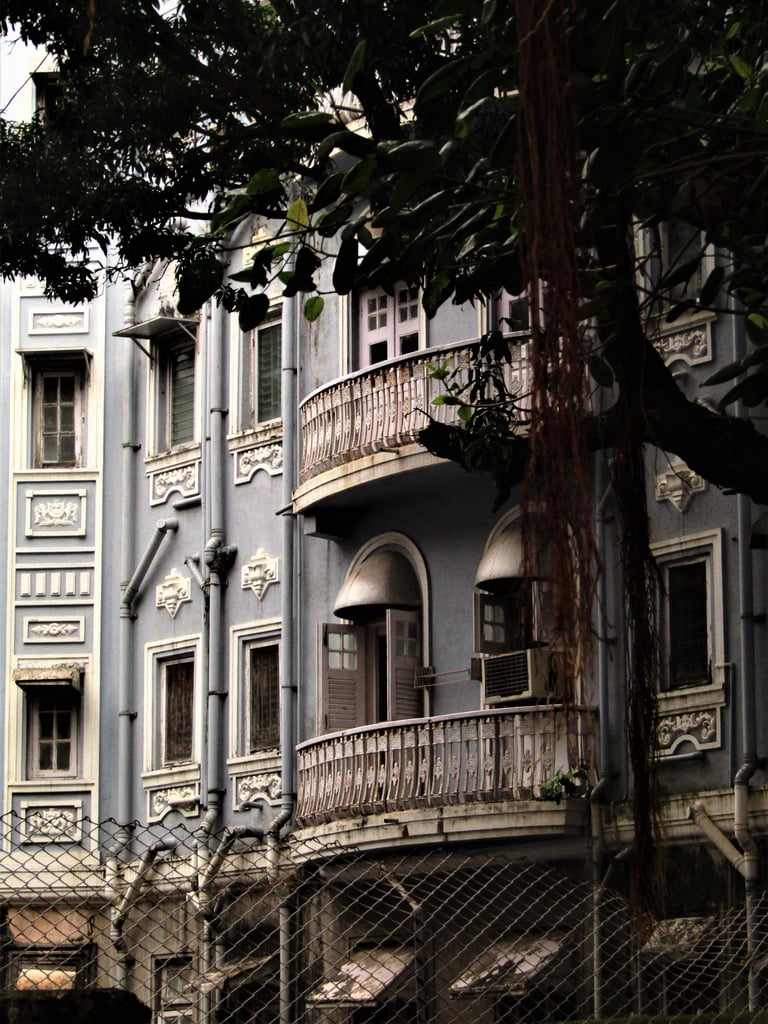
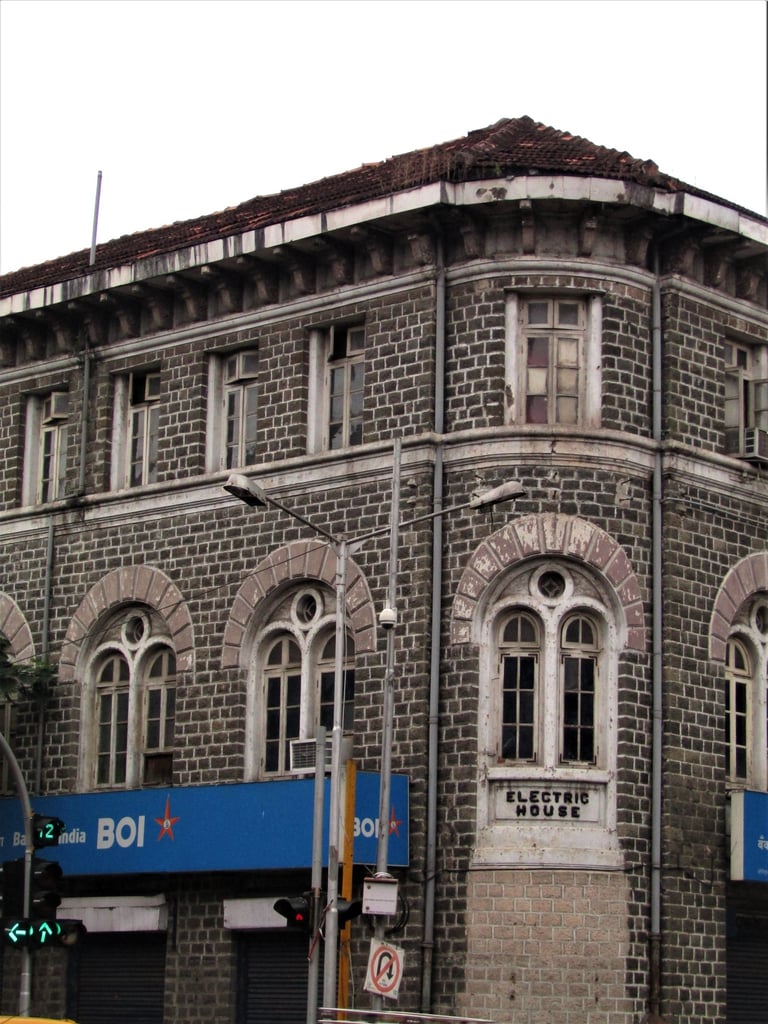
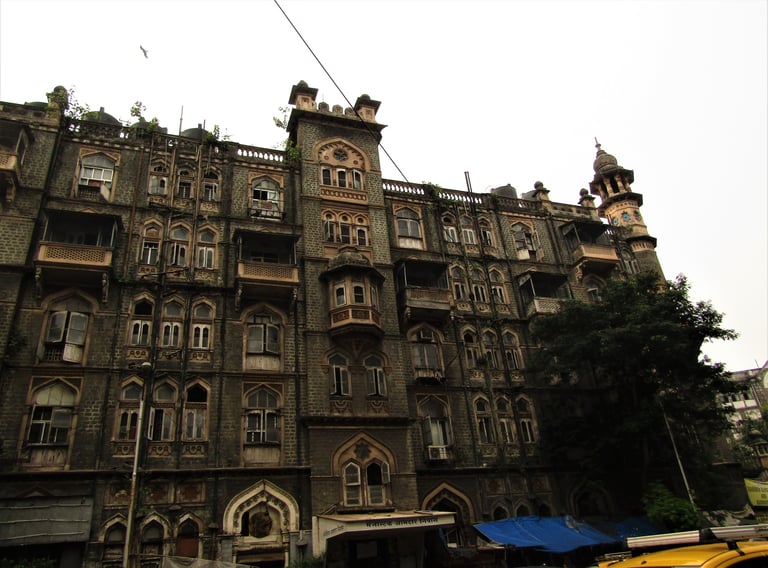
South Bombay holds the city's oldest stories: British-era architecture, the hum of commerce at Colaba. This is Bombay at its most curated—the Gateway of India rises against the harbor, the Taj Hotel stands in quiet grandeur, and Parsi colonies tuck themselves behind wrought-iron gates. Colonial architecture lines the streets alongside modern cafes, boutiques, and government buildings.
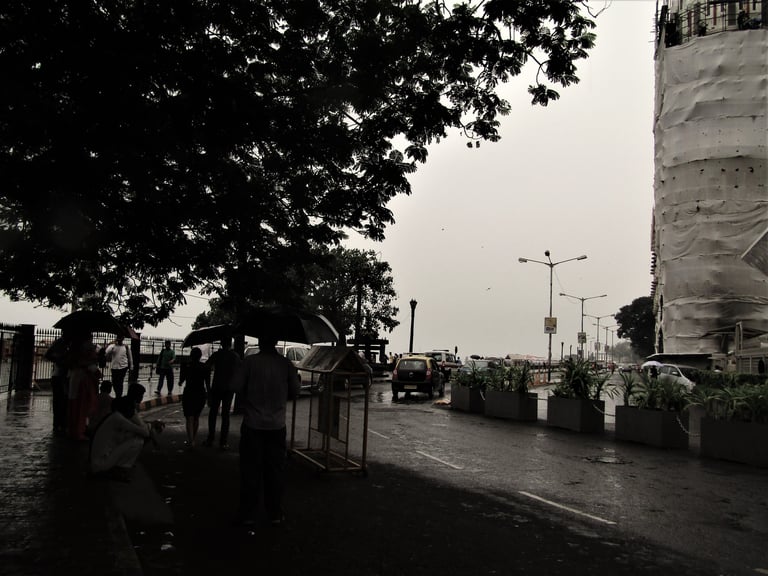
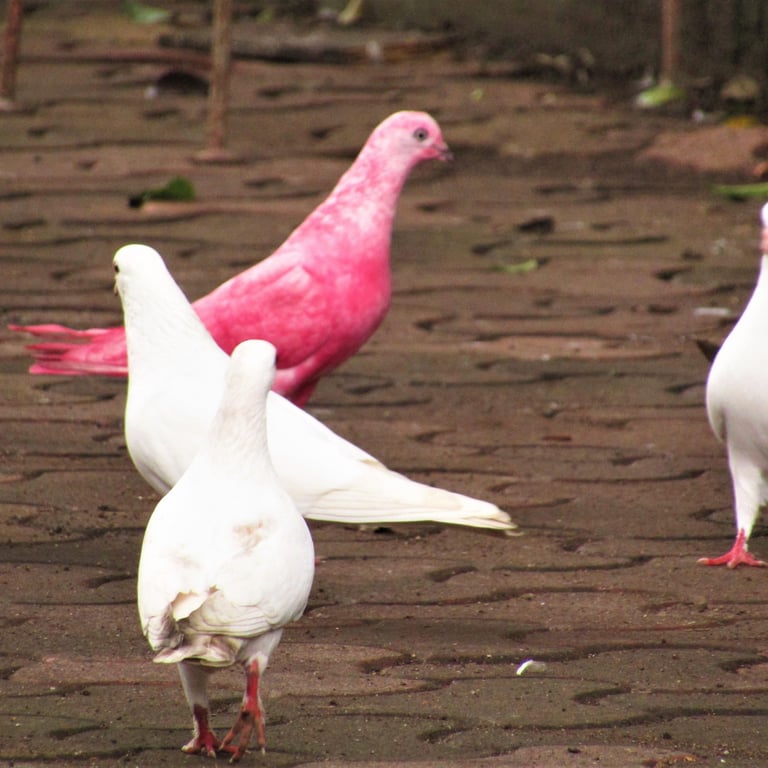
For every polished facade in South Bombay, there's a tattered tarp holding someone's life together a few miles away. This section holds the contrasts: weathered buildings beside quiet shrines, a Muslim cemetery so lush it feels forgotten by time, colored pigeons and ducks wandering unbothered. This is the Bombay that doesn't make it onto postcards—the city's other face, just as real, just as alive. The two exist side by side, and neither makes sense without the other.
Artist Statement
The local train is the city's lifeline. Nearly 18 million journeys a day are pressed into metal compartments, where strangers become temporary neighbors. Women sit near the open door, wind catching their hair as the city rushes past. A girl with earphones stares out at nothing, lost somewhere between stations. A child licks the metal railings playfully, oblivious to the crowd and germs. These are the in-between moments, when the commute briefly belongs to no one but the person living it.